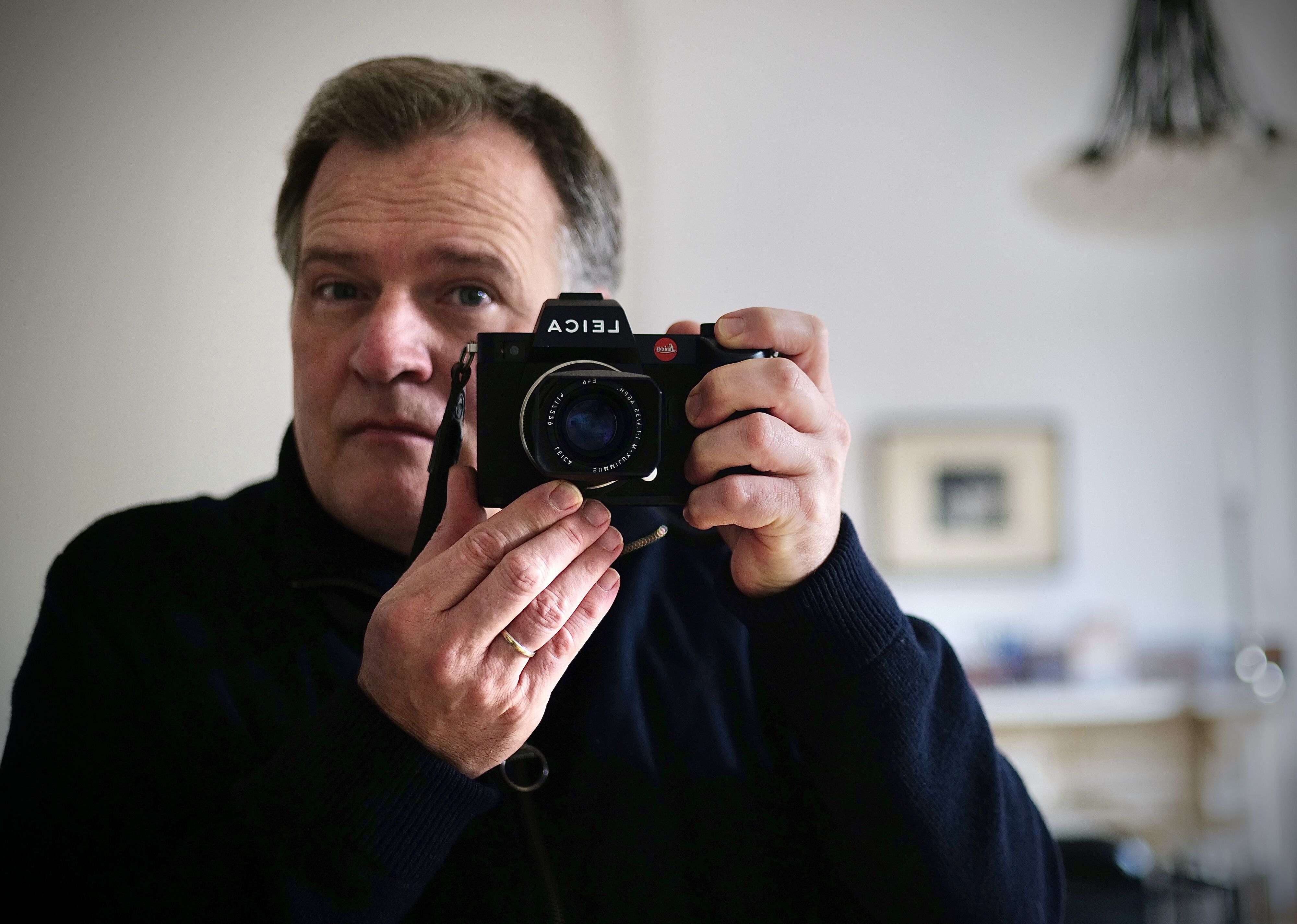
AMY VINCENT, ASC LETS THE VISUALS SING IN SONG SUNG BLUE
Song Sung Blue (2025)
In Song Sung Blue, cinematographer Amy Vincent, ASC reunites with director Craig Brewer to craft a film of exceptional visual and emotional power. Inspired by the true story of two struggling musicians who find both love and purpose as a Neil Diamond tribute act, the film balances working-class grit with the aspirational, a duality Vincent captures with a restrained, character-first approach behind the camera.
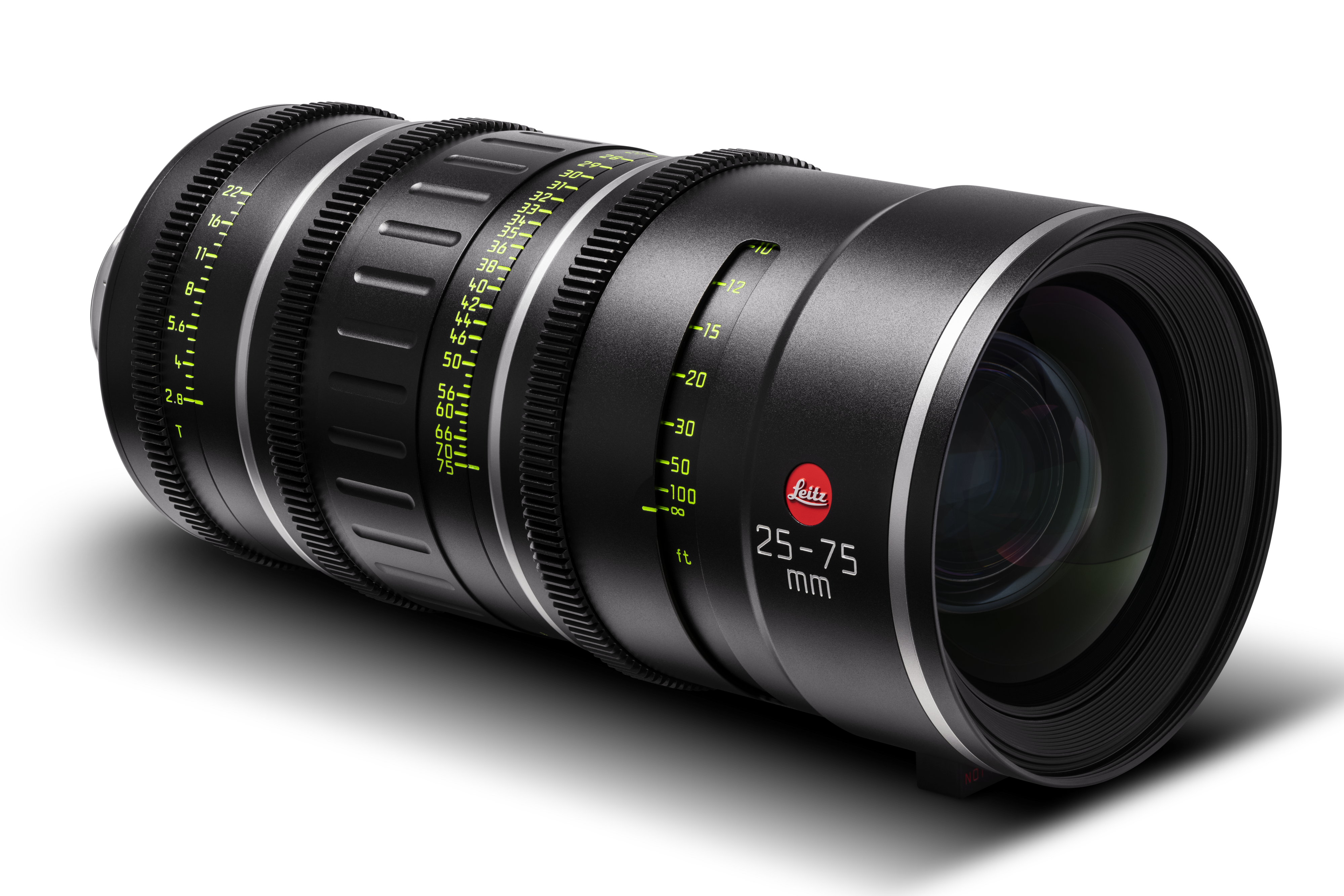
Seth Emmons: For Song Sung Blue you used the Leitz HUGO lenses, which were relatively new at the time. How did you come to choose those lenses?
Amy Vincent, ASC: I'm a longtime Leitz SUMMILUX-C user. I always come back to them because for me it’s the lens I trust if I don’t know what to expect, like going out on a short-form project with folks you don't know, or locations unchosen. The SUMMILUXES are the set of lenses I would take to a deserted island if I could only choose one. But since the family of Leitz Cine lenses available to us as cinematographers has expanded so much, I had choices.
Since the introduction of the LEITZ PRIME full frame lenses, I've always wanted to have a project that I thought was right for them. I was inspired in part by the cinematography of Seamus McGarvey, ASC, BSC on Cyrano, which was one of the first movies to shoot on the LEITZ PRIMEs. That was the beginning of the journey on Song Sung Blue.
The initial inspiration to go with the LEITZ PRIMEs was really the actors’ faces and the idea of movie-star portraiture—the sort of perfection that I see across the entire huge sensor with the LEITZ PRIMEs. I was in the middle of doing lens tests with the LEITZ PRIMEs at rental house TCS in Brooklyn when I walked across the street to visit my dear friend Pete Konczal, ASC on the set of Black Rabbit. I saw what he and Igor Martinović were doing with the Leitz HUGO lenses, and I said, “Okay, wait a minute. Let me pull the brakes on the LEITZ PRIMEs.” I started testing the HUGOs and realized the advantages the form factor could provide on this film.
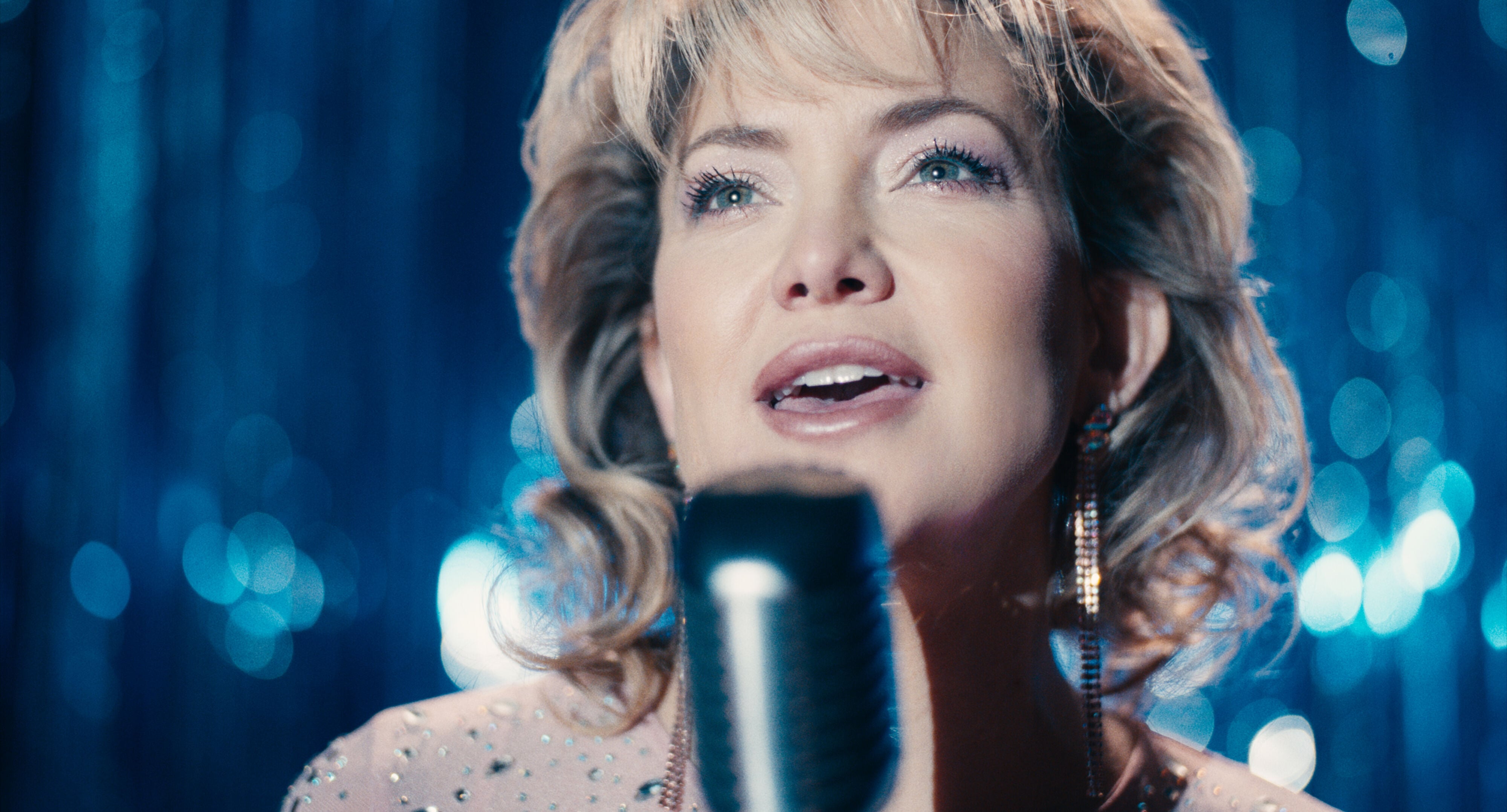
When I started testing the HUGOs I discovered this framing of a close-up from eyebrows to chin. The HUGO lenses have this incredible subtlety of their focus fall off in the close zone that I found really compelling. I had never purposefully framed a close-up like that, but that discovery had a big influence on how I shot Kate Hudson and Hugh Jackman in the film.
We’re often thinking about what’s behind the subject when we think about depth of field, but I always look in the foreground as well. I love the way things that are closer than the main subject fall off with the HUGOs. There’s something exceptionally magical about them in the near zone.
That opening close-up of Hugh Jackman is something that invites you into the movie in a way that says, “This is serious.” At the same time, you have some tonal shifts that are a little lighter as we dive into the story.
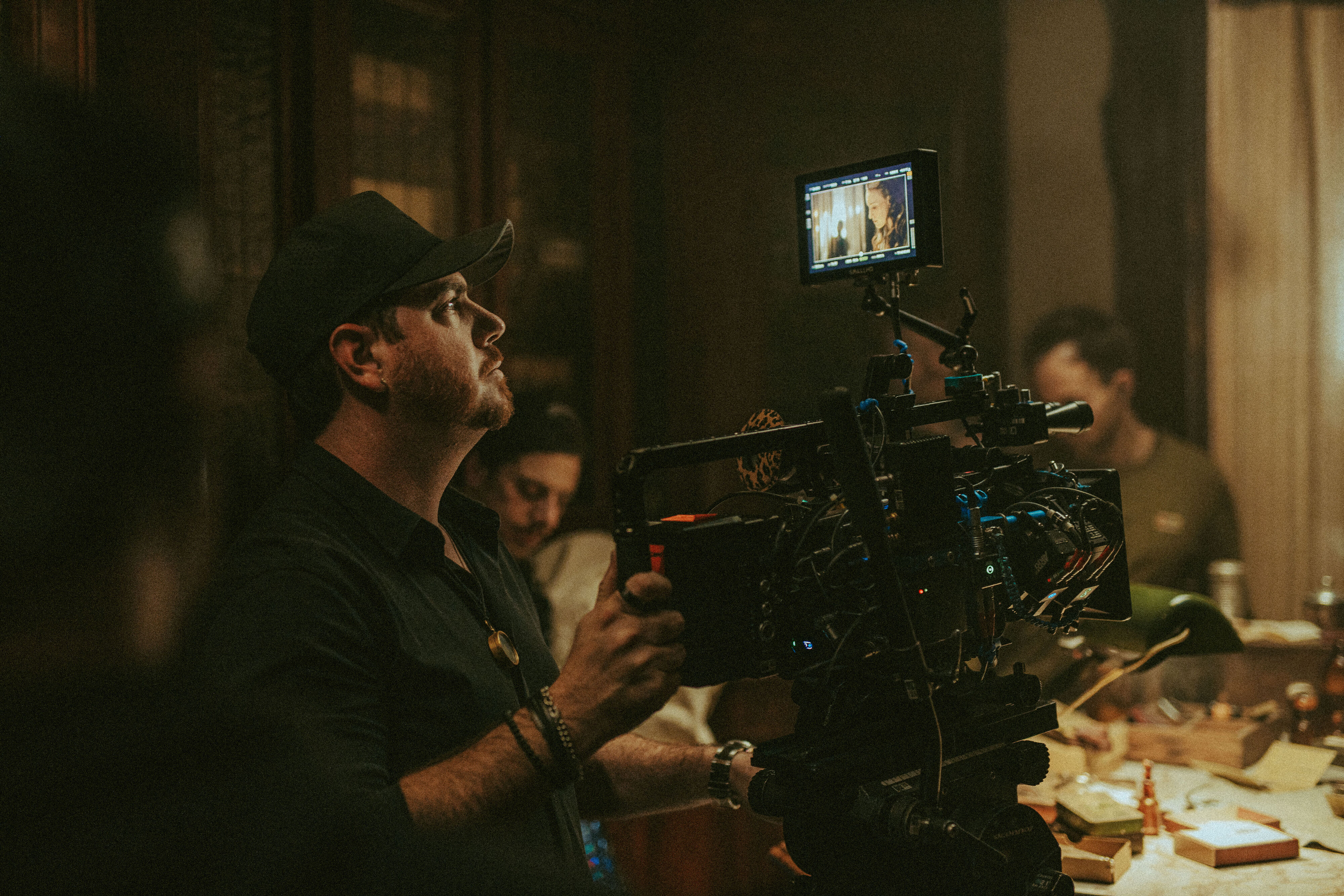
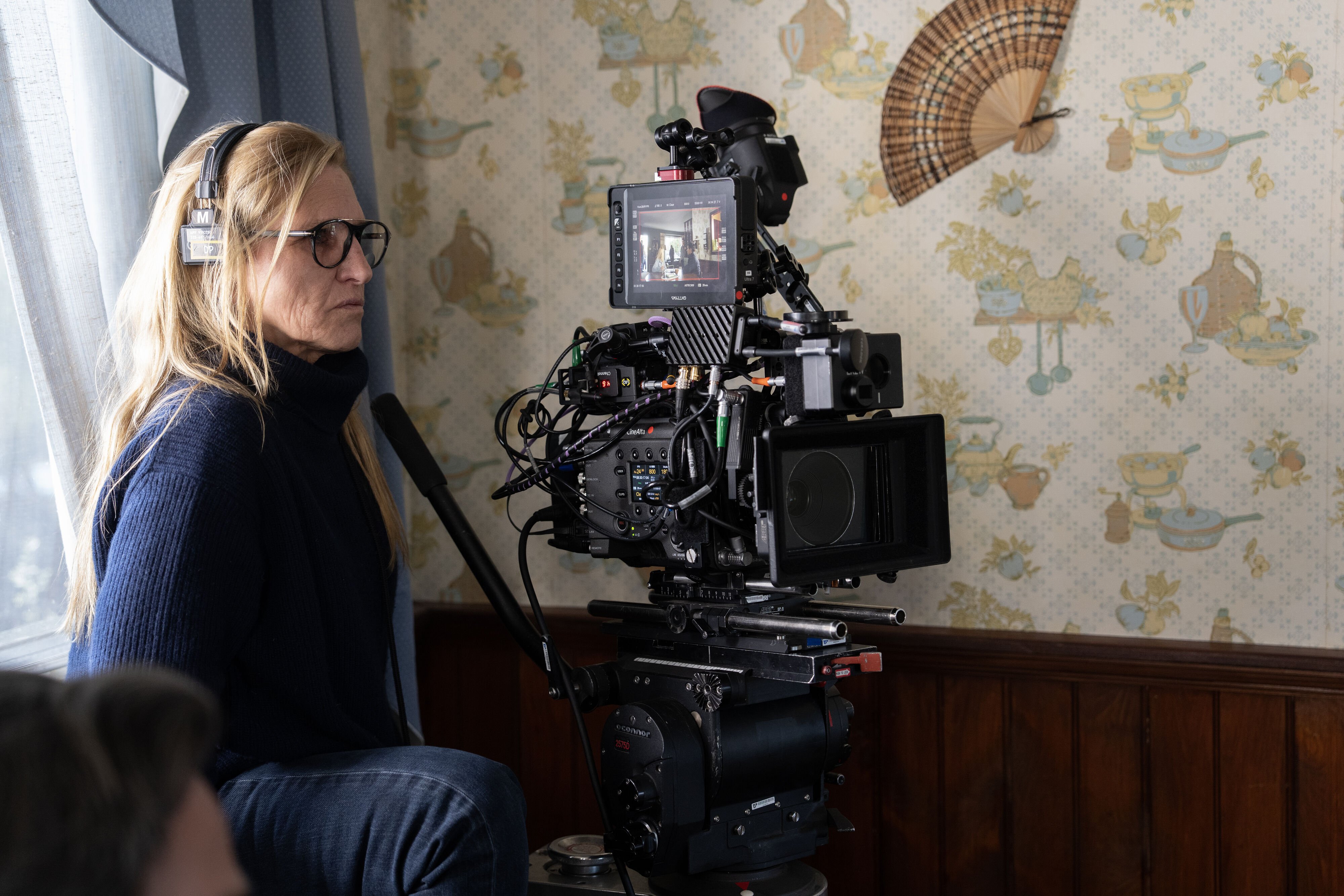
Then I fell in love with the idea of the more utilitarian form factor of the HUGOs. My A-camera operator Dave Thompson, SOC put together this little, tiny, compact, handheld build of the Sony VENICE 2, giving us this massive, beautiful sensor, and this beautiful but very compact form factor glass. It ended up being a choice that I will carry forward into other projects. Although I always adjust my packages for each project, I’m a fairly dedicated Leitz and Leica user over the years.
At the same time as I was looking for my prime lenses, I was also looking for longer focal lengths—hence the inclusion of the beautiful 350mm LEITZ PRIME into our family of lenses. And I was also looking for a set of lenses that would intercut with the Fujinon Premista full-frame zooms. One didn’t trump the other. I had to find what would go together. I needed three cameras outfitted with three different zooms in different focal length families for our concert and music performance numbers. It was the ability to take and shoot test material with the HUGOs, with colorist Tom Poole of Company 3 doing a little bit of color work, that made me feel like we could match the glass. And that was a gigantic factor.
From the art and creative end of it, for me—it’s the uniqueness of the HUGOs that makes them very attractive creatively. But it’s the weight, the form factor, and the ability to very simply do another LUT just for the Fujinon Premistas, that made them the right choice for this film.
I used to be a prime lens purist, but as the directors I work with have become a little more limber in their decisions to use zooms in storytelling, I’ve really embraced that. So in some places where I would normally be putting a prime lens on, I’m putting a Premista zoom on, because Craig Brewer really likes to do little zooms. You might think that mechanically that would call attention to the optics, but what they do is sort of humanize the moment. You have a little handheld, and the human mechanics of Dave Thompson doing these little zooms as we’re moving in on Kate and Hugh. It’s particularly apparent in the wedding sequence.
When testing lenses, how important was knowing you were going to be working with concert lighting—Source Fours, PAR cans, things like that? How important was flare testing, and what were you looking for from your lenses when it came to handling that kind of lighting?
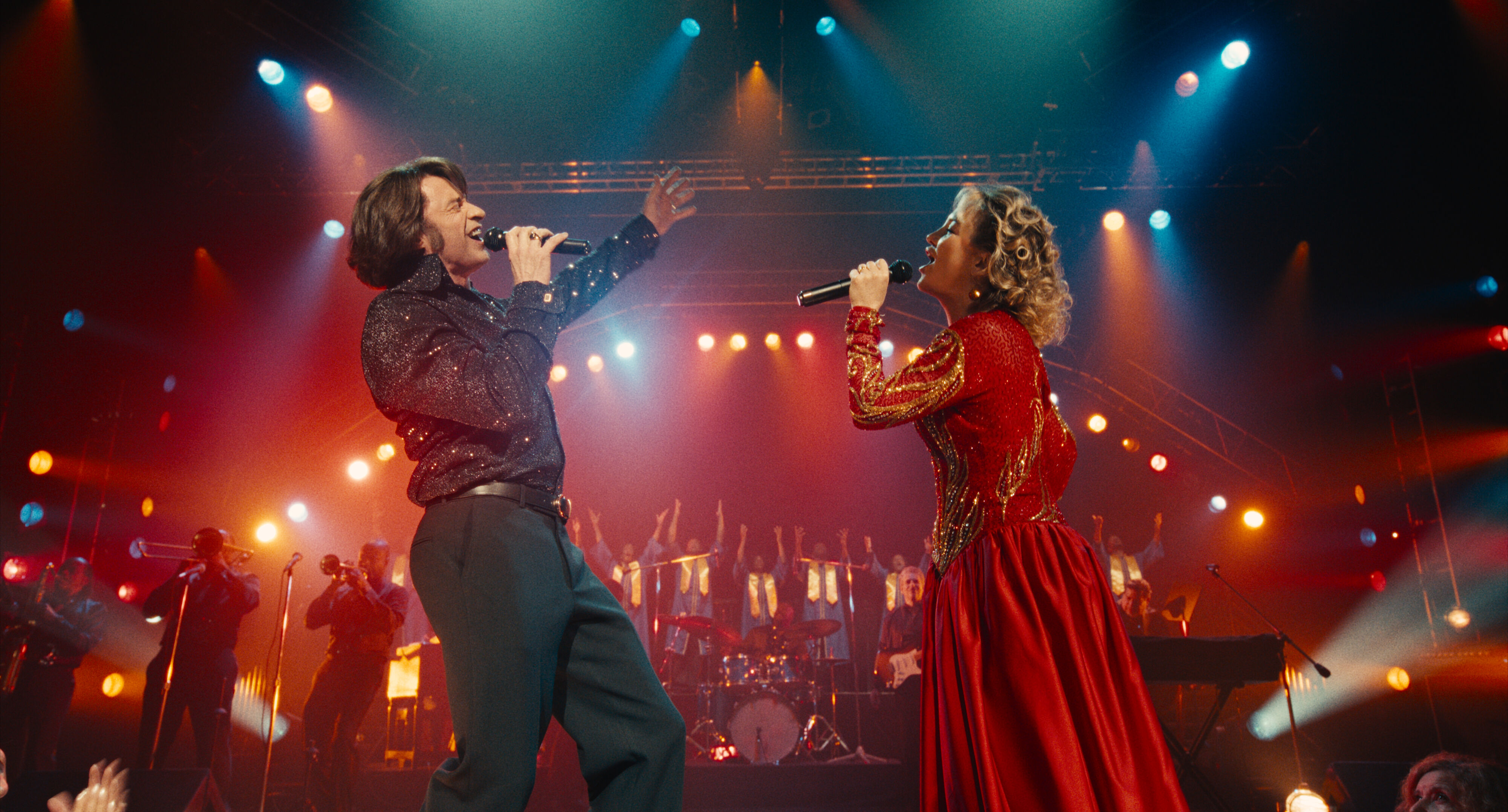
That’s such a great question. A big part of the design of the lighting for the performance numbers—whether it be in a small casino, a biker bar, or a large stage venue like the Ritz Theatre—was to be able to photograph the period-correct lighting instruments, both in the footlights, the sidelights, and everything that defines the proscenium. It was very important to me to take advantage of the fact that I could photograph the lights that were lighting the subject. You don’t always have that privilege, but in the music-venue performance sequences, we did.
What I didn’t want was a lot of diffusion. What I also didn’t want was characteristic flare—flare where you can say, “Oh, I know that’s a Cooke S4,” or whatever. What I wanted was the lesser of the flares. When the flares come, it doesn’t have a very implanted signature on it. It allows the light fixtures to be seen.
I am curious about the close-ups. I feel like they played a big part in creating intimacy, especially allowing people to look their age, letting the details of the human face come through and not be over-diffused or overly soft-lit. Conceptually, with Craig, or from an aesthetic perspective, how did you approach that?
There are two parts to that question. One is the relationship with the cast. That’s so important to being able to lens the movie the way that we began to see it.
There’s a level of vulnerability and courage that goes along with being 49 years old and allowing yourself to be photographed with no makeup like this. I have to take my hat off to all our cast, but particularly Kate, in terms of allowing Craig and me, as the imaging collaborators, to photograph her in a state of depression, addiction, weight gain, emotional defeat.
There was a really magical close up of Kate where the camera is going in to meet her. That was a discovery. It wasn’t in our original plan. We decided to mirror its opposite with Hugh, where instead of the camera moving toward him, he’s walking into focus.
That journey really began with reaching out to Deb Ferullo—Kate Hudson’s makeup artist—and Pamela Westmore—Hugh Jackman’s makeup artist—and then looping in with their hair teams and starting those conversations before the lens cap came off.
Pamela had Hugh’s whole face and hands in her hands through the course of shooting. That kind of trust and collaboration is everything.
I also think it’s a very important part of Craig Brewer’s style of storytelling. He is honest. We’re telling a story of middle-aged redemption, a love story, people who dream beyond their means. There’s a lack of embellishment that I think is really important to the honesty of the storytelling.
I’m curious about the documentary that inspired this—Greg Kohs’ documentary. Were there stylistic or aesthetic elements from the documentary that became important for telling the story in this more cinematic form?
Yes. It’s on YouTube and it’s really worth watching. The fact that the child has the video camera—the character of Dana—that was shot authentically on a Sony Handycam. There are shots in the documentary—like the one where the Handycam is capturing the plane going over the house—that were huge references. There’s so much of that material that informed our research.
Embracing the authentic technologies of the time period was very important in this movie in particular. Dave Thompson, my wonderful A-camera operator and multiple-time collaborator, did a great job acting like a child operator <laughter>. We also used an old Sony broadcast camera, the DVW-700ws, which has a look you just can’t replicate. We brought Lou Rothenberg out of retirement to tech that camera. The modern VENICE 2 sensor and the optics sort of accentuate and work in contrast to the older camera footage.
At any point did you consider shooting Song Sung Blue on film?
The conversation was quite brief, and I already knew the answer. Craig and I first collaborated on Hustle & Flow back in 2004, which we shot on Super 16. It was actually the first S16 film to go through a DI process. Over the years Craig has developed a more improvisational and instinctual way of working that could possibly have conflicted with certain rigors required in shooting film. Especially with all the musical numbers in this film, I knew Craig was going to want to roll through it all because he loves all the stuff that happens in between the songs. The finale was originally three songs and the performance ran for 15 minutes. We weren’t going to stop, reload and reset during that.
We also didn’t have a long schedule and used all practical locations. We needed the agility of digital. But we still worked in a way like film. Tom Poole at Company 3 created a single LUT for us that we used through the whole shoot. That plus a little bit of halation and a little bit of grain gave us the look we were going for.
The color in the film plays multiple roles. The palette is beautiful, and it sets both the period and the emotional tone. Is that something you’re planning far ahead, or is it something you’re shaping on set?
It all happens way before we’re on set. I want to credit two extraordinary collaborators, production designer Clay Griffith and his set decorator Lisa Sessions. They are hugely responsible for collaborating with me on color palettes.
We used Greg Kohs’ documentary, but we also expanded our references to still photographers. Fred Herzog is a big one. William Eggleston is always in the inspiration zone for us. His color work from the 1970s is something we directly reference—like in the AA meeting with the deep reds and golds. Clay and Lisa build out the color palettes from these inspirations.
I’ve always been inspired by still photography. Sometimes I feel like we have cinema and cinematic images all around us all the time, and the work can become very referential to other movies. For me, still photography—especially people like Todd Hido—is a constant source of inspiration. Todd shoots stills, so he can do these extraordinary long exposures, which we don’t have. Still photography is a huge point of reference for me, especially when you’re setting a look.
I didn’t want to repeat myself on this film. Lately I’d been doing very deep, hard blacks, and I wanted to soften them for Song Sung Blue. Fred Herzog shot primarily Kodachrome, and there’s something about being able to communicate with my colorist Tom using a still photograph. We looked at the dusty blue falloff in Herzog’s Kodachrome, and that’s something Tom really nailed. It softens the blacks but keeps the warmth feeling warmer. I have a particular proclivity for cool in the blacks. I think that a little bit of cool helps the warm feel warmer.
From the lighting side, I work in a very scientifically rigorous color range. I stay in degrees Kelvin 90% of the time. That allows authenticity and honesty. Most of the color influence comes from the VENICE 2 color temperature settings and discipline—staying in ranges like 2800, 3200, 4400, up to 8000. If that light on Hugh’s face in the opening close-up wasn’t a perfect 3200, all of that nuance would fall apart. I loved going back to my tungsten roots—real PAR cans, CTO, CTB. We did use LEDs, but with strict color temperature discipline to preserve skin tone honesty.
What are the best parts of working with a director who is also the writer?
Finding your tribe is the most important thing in this business. Craig and I had worked together before, then had about a decade apart working with other people. When we came back together, we were both different humans and filmmakers, but still great collaborators.
This story—about recovery, redemption, second chances—resonated deeply with both of us. As writer and director, he knows the framework of the story better than anyone. The screenplay is the root source of everything we do. To have that in the hands of someone I know so well, and who I can support so closely, is everything.
Craig likes to put the script up on cards on big boards in the production office so everybody can track the trajectory of things—seasons, Rachel’s pregnancy, character emotional states. Putting things up physically in prep means everyone walks by them and absorbs them. This really helps everyone not just stick to the palette but get the story inside of them. Then we work like a family.
Craig and I often rode to work together. I learn so much about the script and the people we’re portraying just listening to him talk. Having that access to him, hearing his thoughts, even hearing conversations he needed to have with other people helps me get further into the story and characters.
All of Craig’s movies have a musical foundation and I often lose him in prep because he goes into the recording studio. On Song Sung Blue, I was invited into the studio when Hugh and Kate were recording for the first time. Being a fly on the wall while they were meeting each other and recording informed a lot of the staging of those early numbers. In the film they are falling in love during “Cherry Cherry” and “Play Me,” and seeing how they moved around each other in the studio influenced how we staged it later.
Is there a Neil Diamond song that speaks to you the most in the film?
“Holly Holy” might be my favorite song in the movie. It’s the beginning of the rebuild. It starts so small in that Thai restaurant in Montclair, and then it becomes this transcendent moment. When Hugh walks toward Kate and the mirror ball is going and they come together—it’s classic. It’s the beginning of recovery. I love all the music numbers, but that one really gets me.
As we wrap up, is there anything that feels important about this film or this experience that you want to share?
I’m extraordinarily proud of having helped create a space for Hugh and Kate and the rest of the cast to do their work. We can talk about lenses forever, but when the joy we experienced on set shows on the screen, that’s the gold! I went to see it with my whole family in Massachusetts. They don’t know anything about lens choices, but they feel the love in the movie. That’s everything. Every day someone writes to me saying they saw it with their mom, or they’re now a Neil Diamond fan. It feels like a once-in-a-lifetime experience.
Song Sung Blue premiered in theaters on December 25, 2025.
Overview
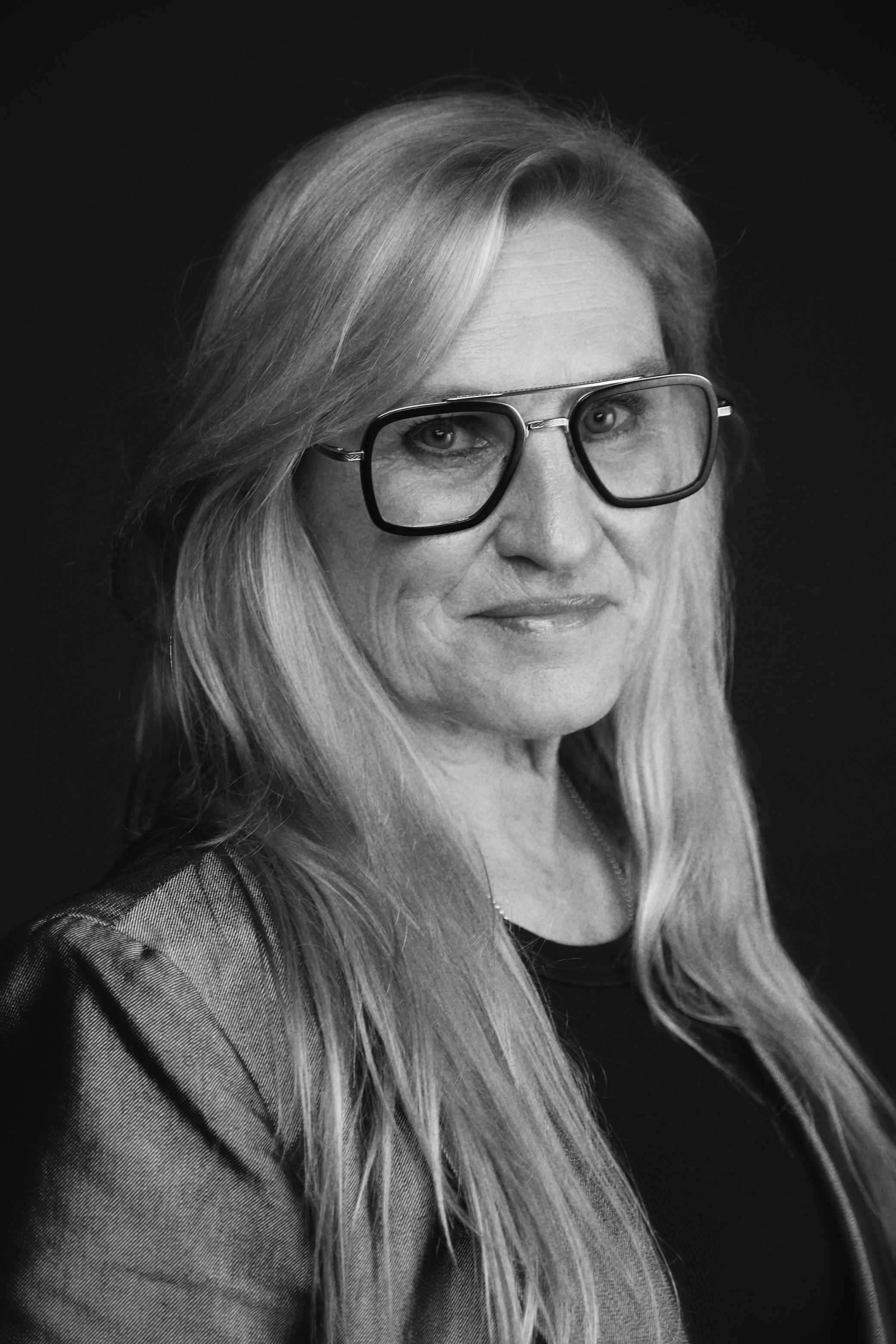
DoP Amy Vincent
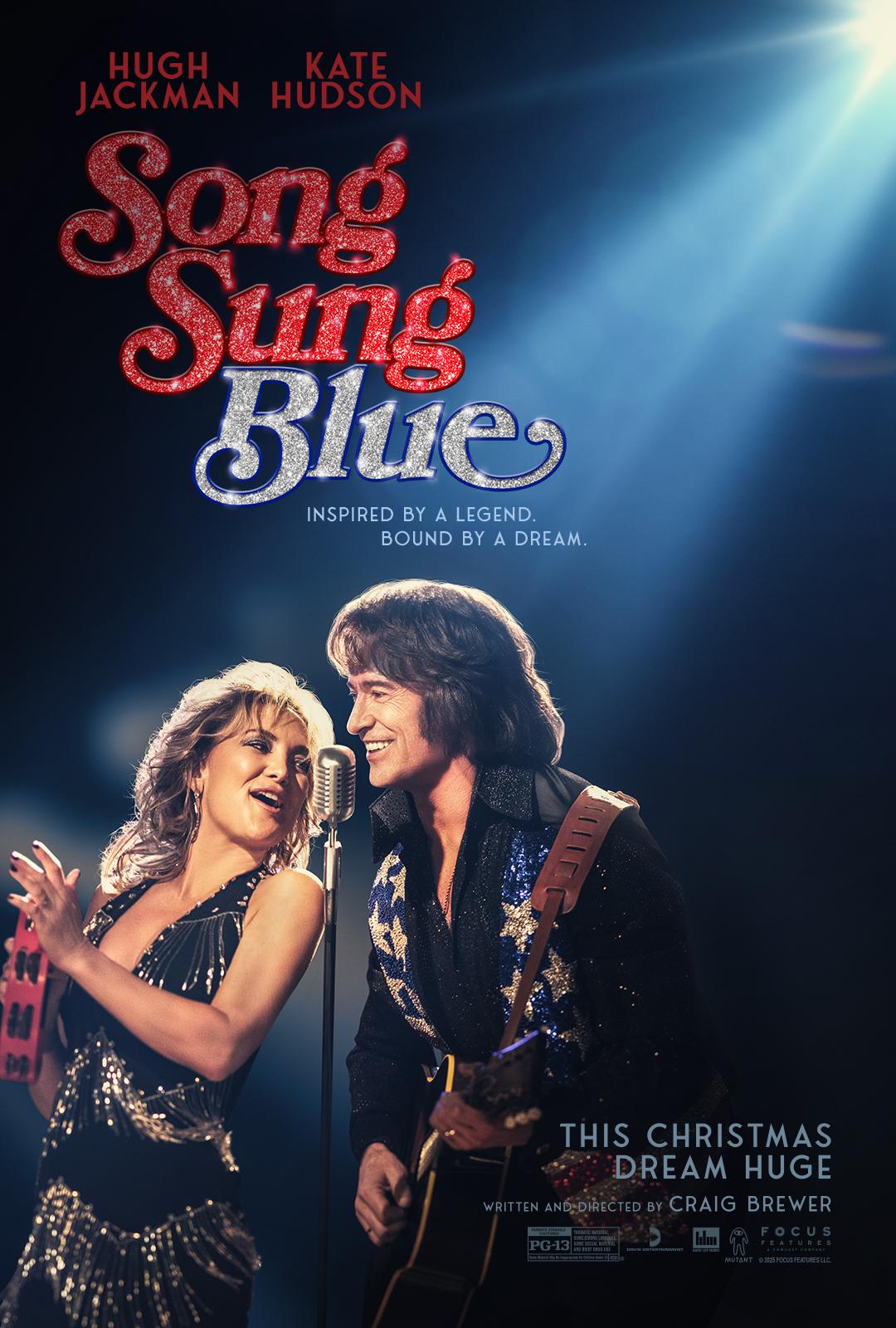
Song Sung Blue
2025 | movie
DoP Amy Vincent
Director Craig Brewer
Leitz lens LEITZ ZOOM, HUGO
Camera Sony Venice 2, Sony DCR-TRV120Sony DVW-700WS
Production Companies Davis Entertainment | Focus Features
Distribution Focus Features | United International Pictures (UIP) | Universal Pictures Argentina | Universal Pictures
Awards Nominated for 1 Oscar. 5 wins & 13 nominations total
Equipment Supplier TCS
Country USA
Lens used
HUGO
Legacy
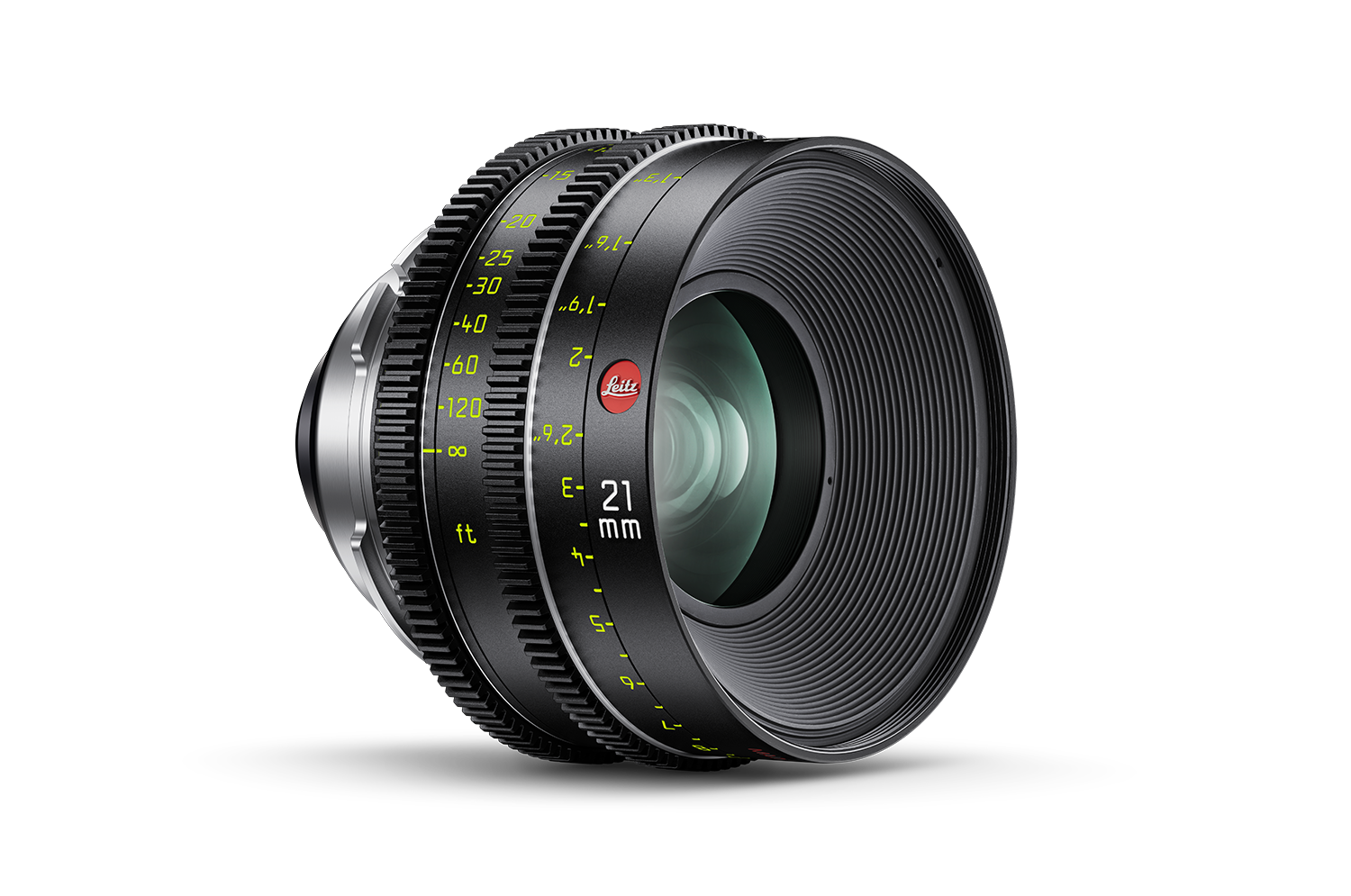
LEITZ ZOOM
Performance