The Reserved Beauty of Comedy on The Devil Wears Prada 2 with Florian Ballhaus, ASC
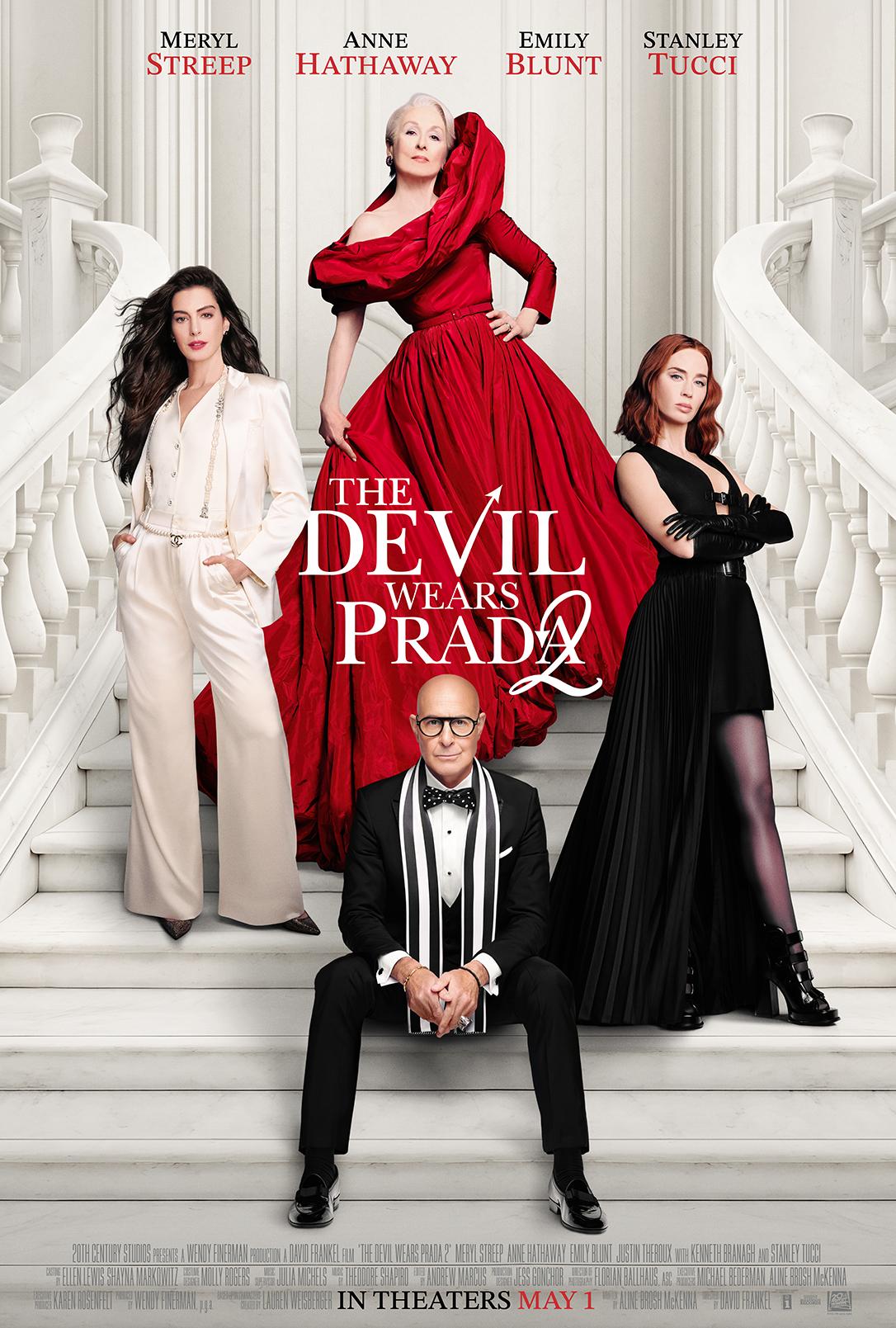
The Devil Wears Prada 2 (2026)
With The Devil Wears Prada 2, director David Frankel and cinematographer Florian Ballhaus, ASC return to the world of high fashion comedy. Reuniting much of the original creative team from one of cinema’s most iconic fashion stories, the sequel revisits these characters twenty years later as the industry and world around them continues to evolve.
Seth Emmons: How long were you working on The Devil Wears Prada 2?
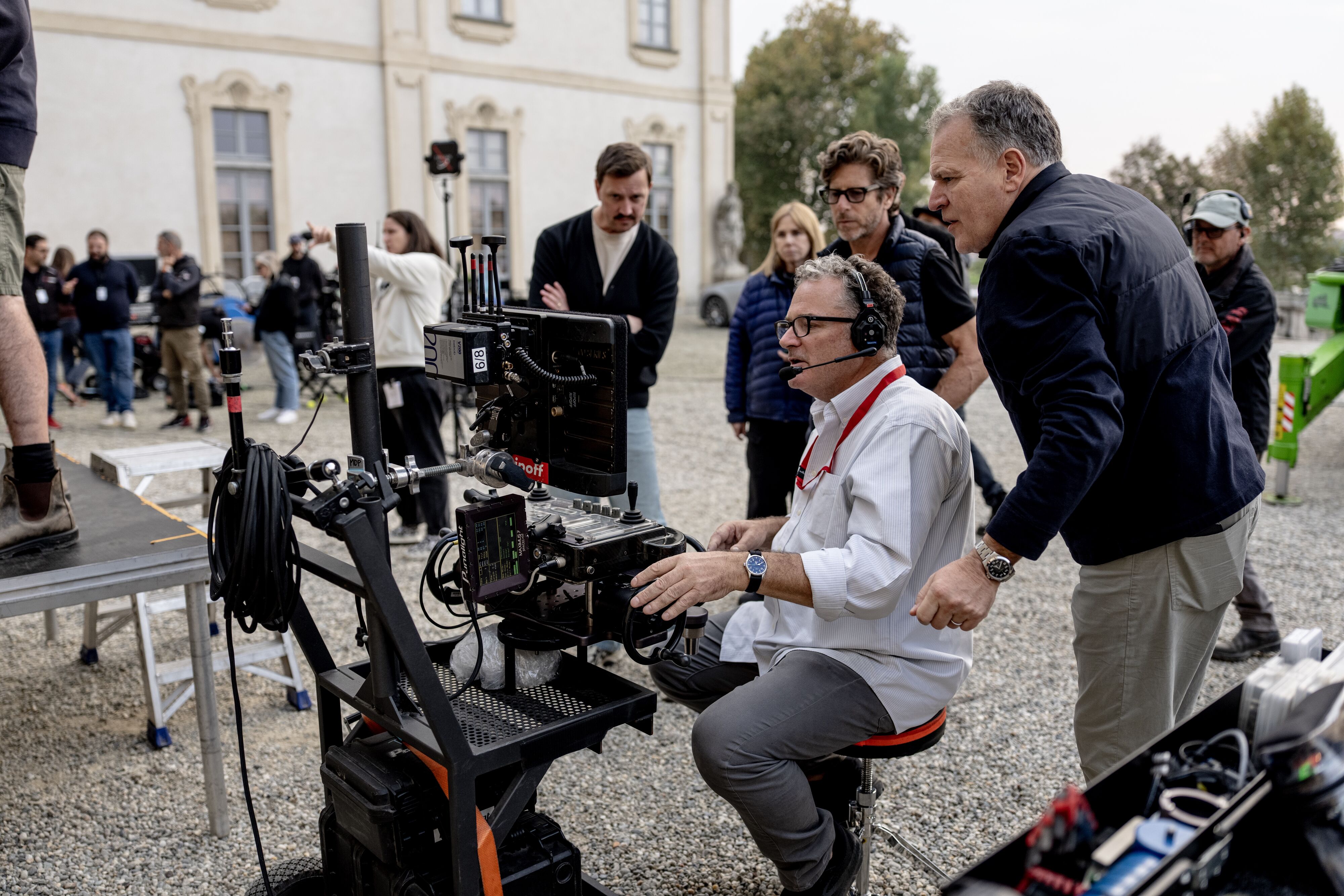
Florian Ballhaus, ASC: All in it was probably five months for me including prep, shooting and post. It had a lengthy prep because we shot in Milan and New York, obviously, so there was a lot of back and forth and prepping two locations and the logistics of all that. It was an amazingly rewarding experience to have the resources to pull this all off.
Was it mostly locations work in prep, or was there a lot of testing equipment too?
Not a huge amount of equipment testing. Everything was somewhat related to the first movie, so it was mostly a conversation about that. Do we go back and do exactly what we did in the first movie, or do we do today’s version of that?
Once we decided we were not going to shoot film and were going to go with what the state of the art is now, we quickly decided to go with the ARRI Alexa 35. I’d been shooting with the Alexa LF the last few years. This was my first feature shot with the 35, which was kind of great because it brought lenses back into the mix that I haven’t been able to use as much.
What was the decision-making process there? Was it mostly about the lenses?
There were other factors too. I wanted to try the new camera. I was interested in the bigger dynamic range and there was also a desire to shoot in true 4K. But I really wanted to bring back some of the lenses.
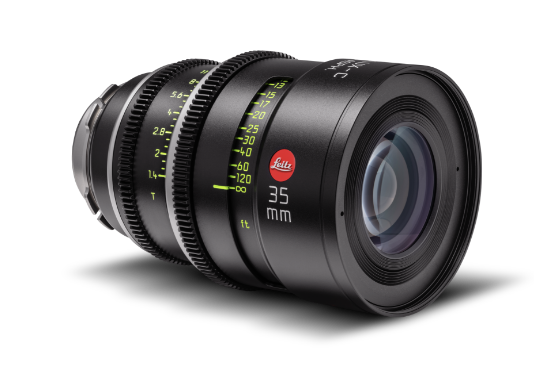
I still own the original lenses from the first movie, the Zeiss Ultra Primes, and I wanted them to be part of the mix. It also opened the door for my Leitz SUMMILUX-C lenses again as I haven’t been able to use them as much with the LF.
We talked a lot about lenses and how over the last few years everybody has been trying to find texture and character and imperfections in lenses. This movie was not like that. We were very clear that we didn’t want a lot of presence from the glass. We didn’t want to feel flares. We didn’t want to feel imperfections. At the same time, we didn’t want it to feel cold or clinical either.
It was about finding the sweet spot between having character but never being overly beautiful in a “lensy” kind of way. I believe movies shouldn’t have to look lensy. I don’t want people going, “Oh my god, what lens is that?” In this movie, it’s not about that.
Was part of that decision to allow other elements like production design, wardrobe, locations to shine instead?
Very much that. It’s a movie about fashion. It’s a movie about beautiful places. And, first and foremost, it’s a comedy.
I was always saying to the assistants, “Flares are not funny.” They may be beautiful, but they’re not funny. They can take you out of the experience. We were aiming for realism within that dreamy world, and we never wanted people to feel like, “Oh look, there’s a light right there.” We didn’t want to take attention away from the story.
We didn’t want to shoot with an incredibly shallow depth of field, but we did add some film grain later in post to give it texture. I felt that a shallow depth of field wouldn’t help what we wanted to show. In comedy, if the focus shift dictates when a line becomes funny, it can actually take the humor out of it. We wanted a little more depth of field than I would usually use in a drama.
You don’t want to put your thumb too heavily on the scale and tell people something is funny.
Exactly. We wanted to hang back. We wanted it to be beautiful, but we didn’t want a huge visual presence. We never wanted people to think, “Oh my god what an amazing shot” because that can actually hurt a comedy. You can make something too beautiful for a comedy. You want a more low-key approach.
Were there moments where you did intentionally heighten things visually?
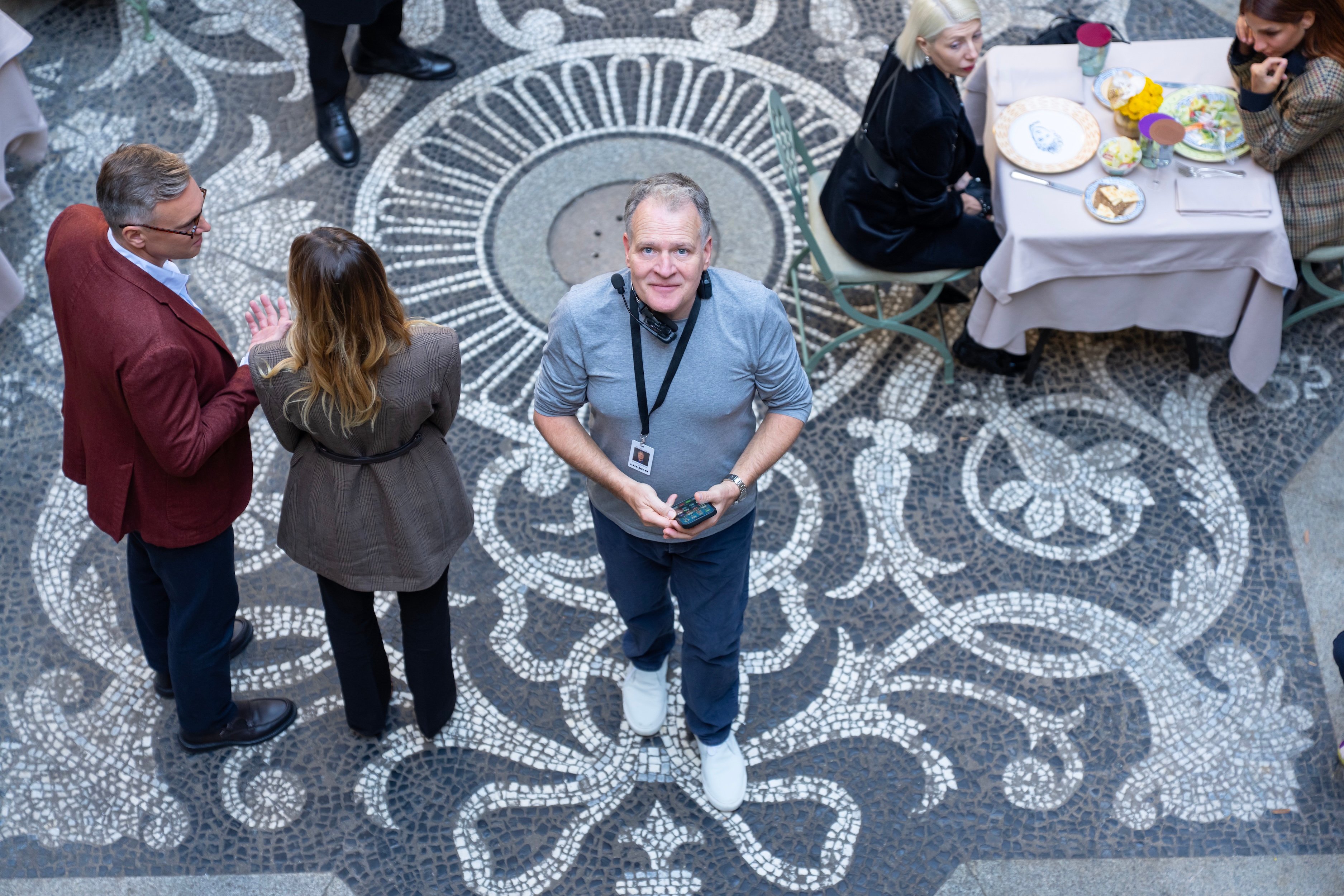
Sure. There were moments about showing off locations or opening up worlds. Drone shots, things like that. The whole movie is an exploration of a world that Andy knew 20 years ago and is now revisiting. We’re experiencing it through her eyes. She’s confronted with the question of whether she wants this world again. Does she want to inhabit this life again?
We wanted to show the beauty of it all, but at the same time it’s also a world in decline. Magazines are crumbling. Reality is creeping in. So we wanted all that beauty, but we never wanted it to feel lit. We wanted realism within a dreamy world.
Was that a tricky line to walk?
It came naturally because we tried to remember what made the first movie work visually. Part of what made the first movie timeless is that we didn’t lean heavily into whatever visual fashion was happening at the time. We took a step back even then and had a relatively naturalistic approach.
I think that’s part of why the first movie aged well. You don’t look at it and immediately think, “Oh yes, clearly that’s 2006 based on the level of filtration,” or whatever trends were happening. Our goal was to preserve some of that timelessness and tread lightly enough that the movie won’t age badly.
Were there specific elements from the first film that you wanted to bring back?
One thing we did in the first movie was use some 16mm footage in these montage sections. It had a slight documentary quality that gave a behind-the-scenes realism. We wanted to find the 20-years-later version of that without necessarily going back to actual 16mm.
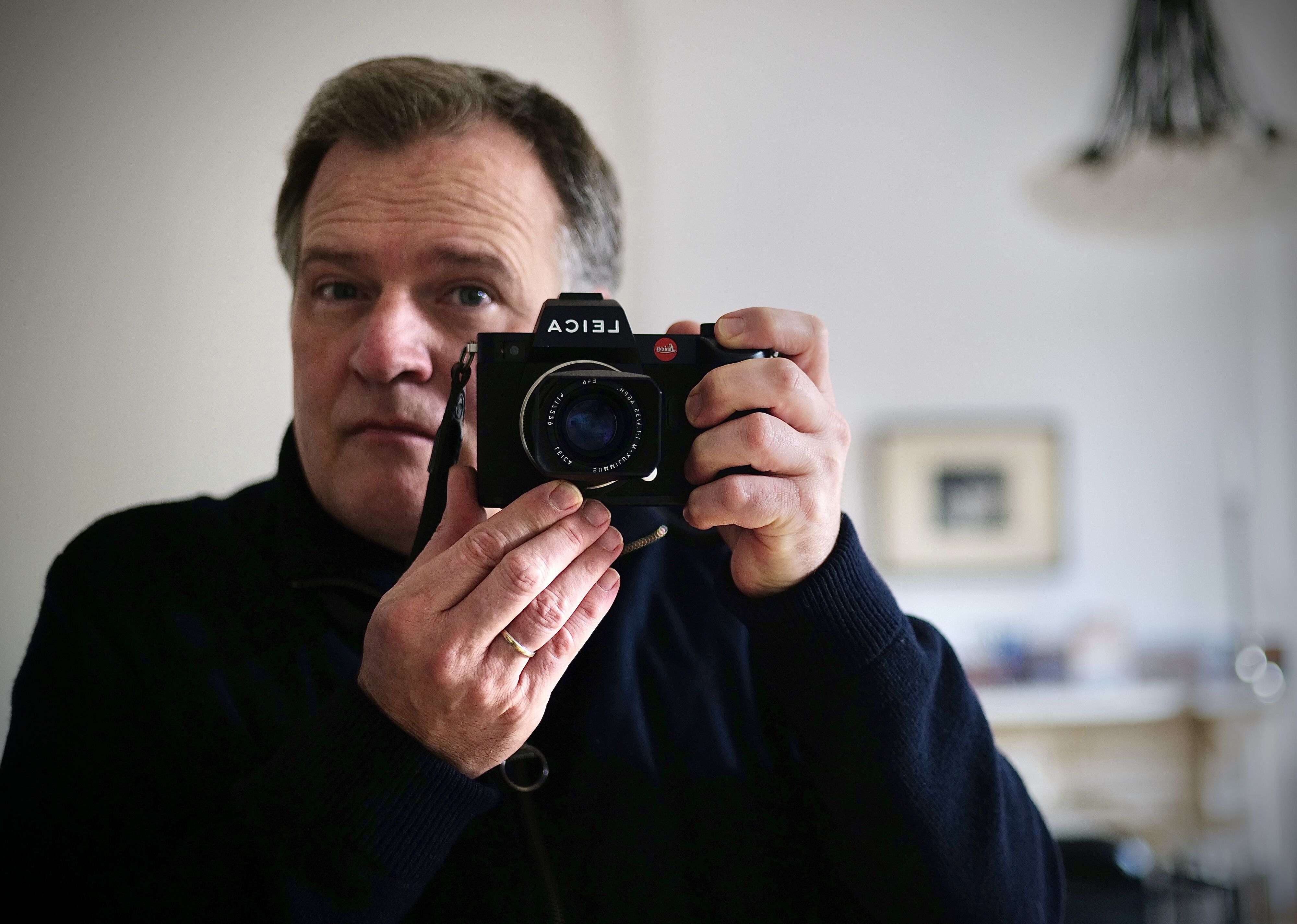
We ended up building this little handheld rig around a Leica SL2-S that I own. We shot material throughout the movie with it: montages, little moments, just grabbing things in a loose handheld way. It became a bit of a secret weapon.
Director David Frankel really loved it. I think if it had been up to him, he would have shot the whole movie that way.
I’ve been using that camera for additional camera work for a while now and I love it. It’s immediate. It’s not fussy. It looks slightly different than the Alexa footage, but not dramatically so. In post you can either integrate it seamlessly or push it harder. We pushed it. We made it grainier and added more contrast so it stood apart.
What lenses were you using on it?
We always used an adapter and PL lenses so we could use all the accessories and remote focus systems. We didn’t want to rely on autofocus because chasing focus creates a completely different visual language. We mostly used a little handheld zoom or the SUMMILUXES on it.
Were you cropping the sensor at all?
No. That would have forced us into much shorter focal lengths. To me it was really more about the mobility of the camera than the sensor size. We used the full frame and then added grain, vignette, and dirtied it up a little.
You mentioned the SUMMILUXES and Ultra Primes, but you also used some other lenses.
Yes, we used some Tribe7 Blackwing7s as well. One thing I wanted for this movie, because we weren’t going for a really heavy handed look, was a subtle range of lenses that we could pick from. Sometimes we wanted to do something exactly like the first movie and we’d use the Ultra Primes.
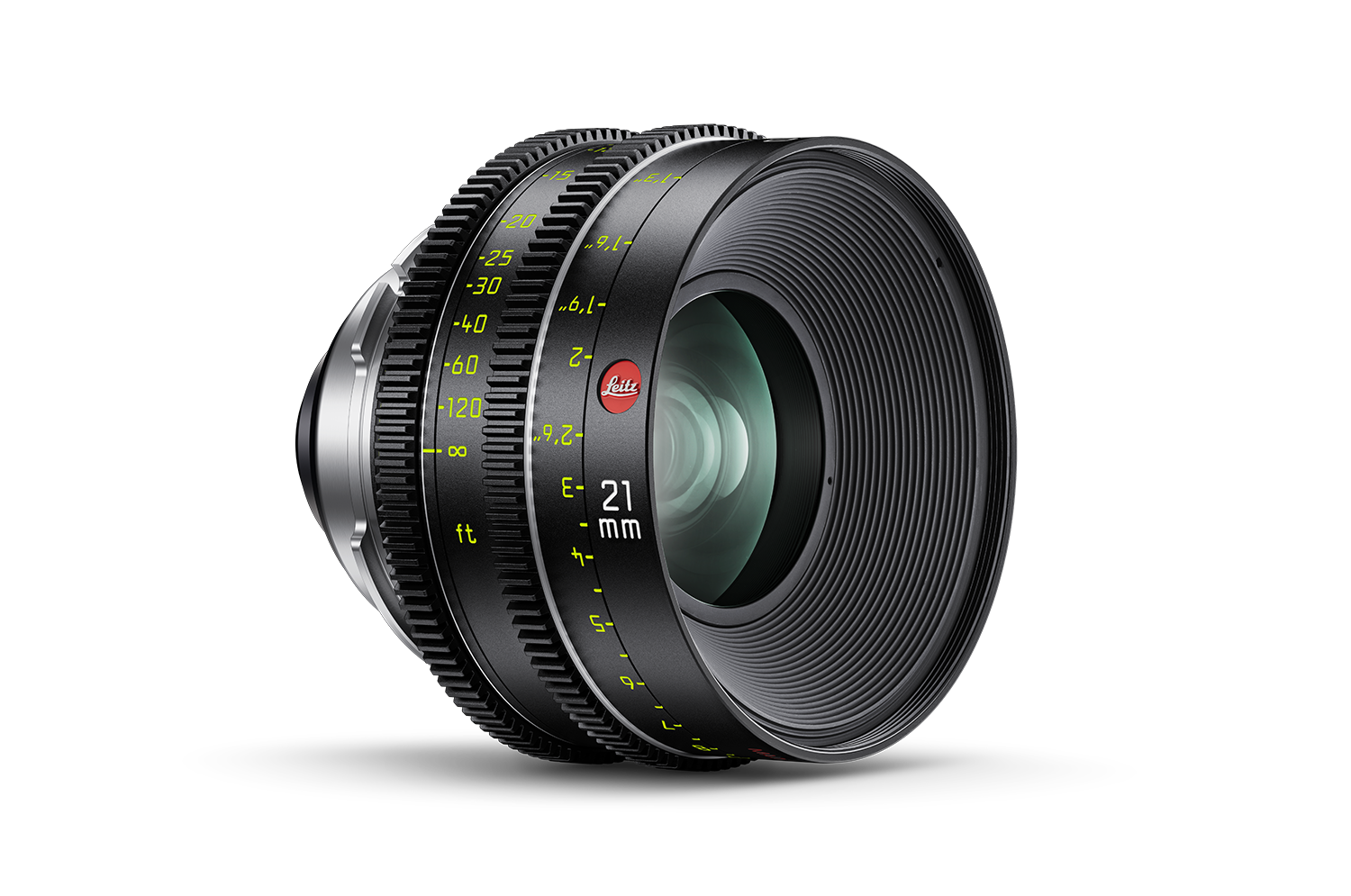
The Leitz SUMMILUX-C became the go-to lenses for this film because they’ve been my go-to lenses for probably the last 15 years. It was great to be able to use the wide end of them again in a way I hadn’t been able to with larger formats.
Then a new thing for us was the 66mm Leitz HUGO lens, which I had read about and was eager to get my hands on because it’s just a great size for close-ups. That quickly became my favorite close-up lens.
Was that for specific characters or all across the movie?
It depended on the scene. The HUGO 66mm has this interesting quality where it’s a mixture of dreaminess and clarity at the same time. It’s very sharp, but the falloff and the bokeh are subtle and dreamy. Some of my favorite close-ups in the movie were done with that lens.
There were scenes where we wanted that clarity, and there were scenes where we wanted things softer and gentler. In those moments I’d sometimes move to the Blackwing7s because they were gentler on certain skin tones.
Every scene called for a different approach. We had four sets of lenses and would pick scene by scene based on what we were trying to achieve.
What does it take to become familiar enough with that many lenses to know when to use each one?
You create a base first. You say, “This is my default approach.” For me, that would usually be the SUMMILUXES.
Then sometimes you look at a shot and think, “Would this highlight be nicer a little softer? Less milky? More milky?” Then maybe you go to the Blackwing7s.
Sometimes we’d light something with one set of lenses and then change our minds once we saw it. A hot window in the background might bloom too much with one lens. Some lenses reacted differently to the diffusion we were using. Some could take more diffusion before they started becoming too noticeable.
Everything was in a very subtle range. I would challenge anyone to identify specific lenses from individual shots in the movie. None of it was meant to be obvious. It was all about nuances.
Tell me about the diffusion.
We used very limited diffusion, but obviously we wanted some. We mainly used very light Schneider Classic Softs and occasionally a little Hollywood Black Magic. Again, we never wanted it to look bloomy or artificially beautified.
I wasn’t interested in creating a “big Hollywood close-up.” I wanted it to feel real within an environment that is already exaggerated and heightened.
Did you shoot with more than one camera at a time?
Yes, probably about 70% of the time we shot with two cameras. I always try to think of a second camera as giving you an extra shot rather than compromising the important shot. I’d rather grab a beautiful profile or another angle that complements the scene than compromise the primary setup.
We never got into situations where we had to cross-shoot. We had enough time. But when you have four people around a table, sometimes it’s great to grab extra angles.
What about lighting?
There’s this whole online conversation right now about how people supposedly don’t light movies properly anymore. Unfortunately mostly from people who don’t know what they’re talking about. The movie was lit very much like the first one. We simply wanted it lit in a modern naturalistic way.
The biggest location was the Runway office, and we wanted it to feel reality based. We didn’t want it to feel like an old fashioned Hollywood movie. It was also important to create environments where the actresses felt comfortable. I didn’t want lighting where they had to hit a mark within an inch or everything would fall apart. We tried to create environments that were beautiful but comfortable.
Were there any new tools you used?
LED lighting evolves so quickly now that every movie there are half a dozen new tools. One thing we use a lot is a traveling light with the actors, usually a China ball or a soft LED disc on a boom pole. It’s almost like a psychological tool sometimes. Actors feel better if they see you taking care of them. It helps them worry less about how they look.
What is it like doing a sequel to your own film?
I did the Insurgent films before, but they were always conceived as a trilogy. This was different. With this one we were revisiting a movie we made 20 years ago with the same cast, same director, same production designer, and probably 70% of the same crew.
These are people I’ve worked with for over 20 years. It’s my film family. So in some ways it felt very natural. But having the same cast and director all back together again was surreal at times.
Did it feel like the actors were slipping back into familiar roles, or trying to reconnect with something from 20 years ago?
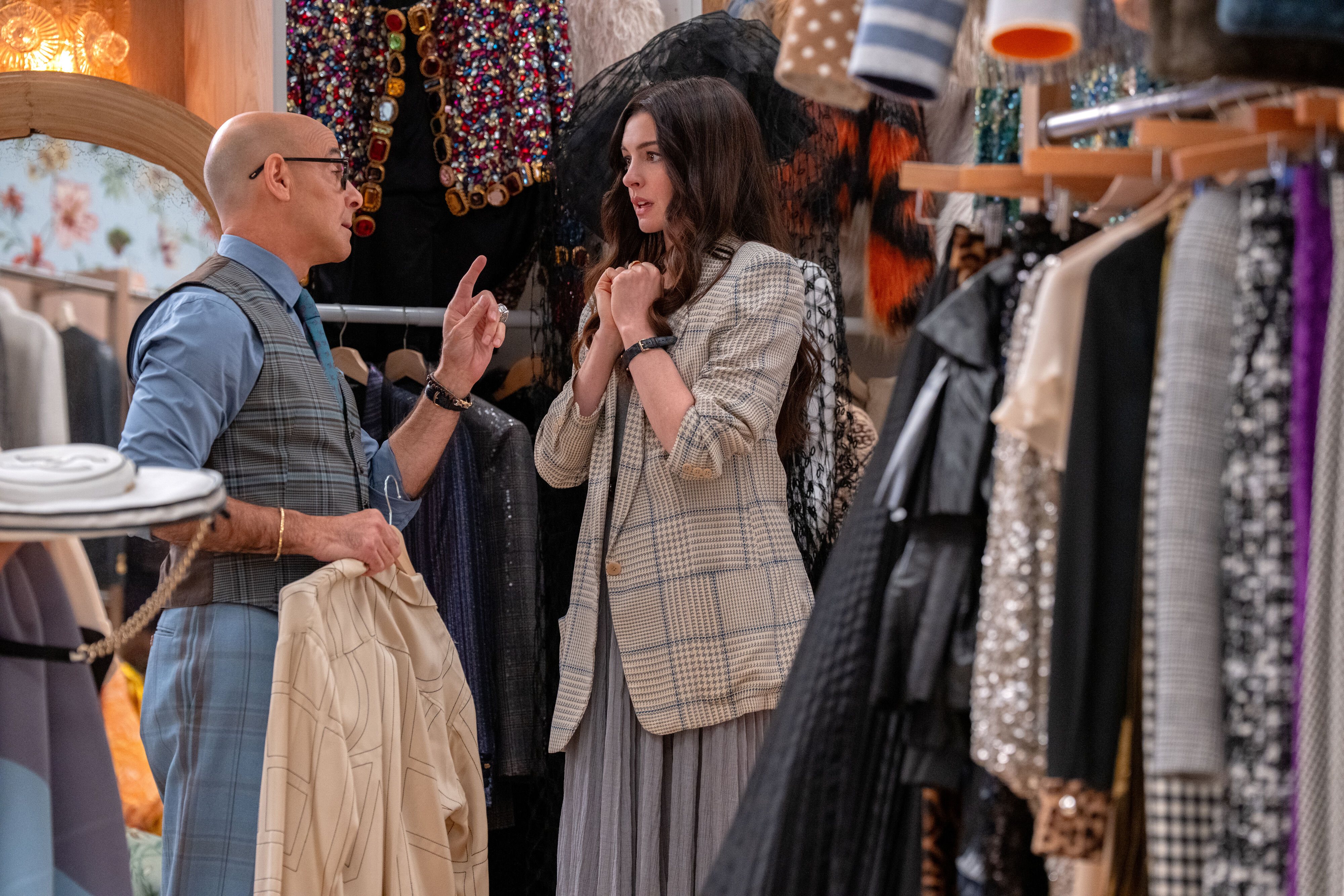
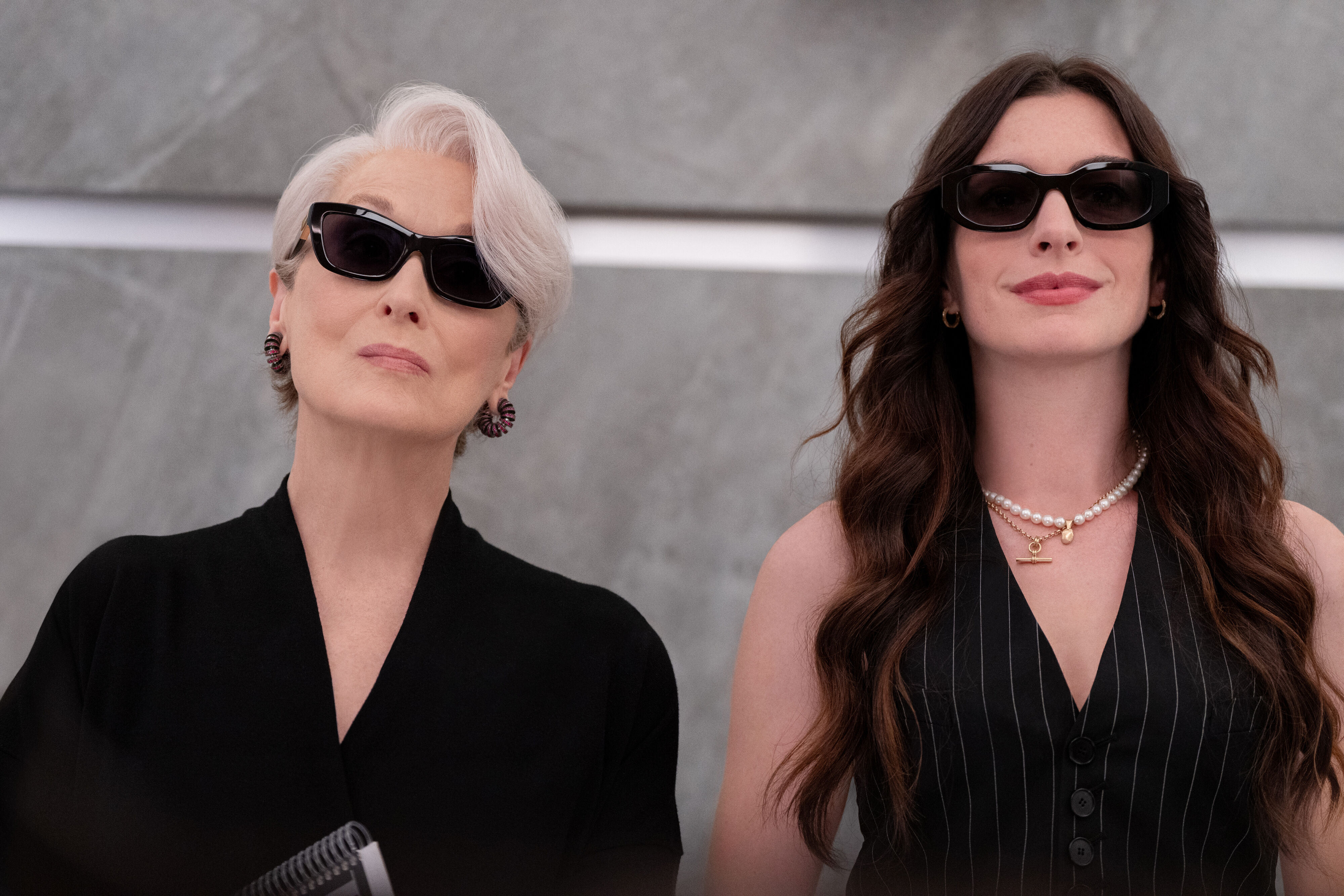
What was beautiful is that it felt like a natural progression. Nobody was trying to go back to who they were 20 years ago. They were inhabiting these characters after 20 years of life. That made it feel incredibly natural. And honestly, on day one, they just hit the ground running in a way I never thought possible.
It feels like that original movie meant something important to all of their careers.
Absolutely. Meryl Streep came back as a box office force after the first Prada. Emily Blunt basically exploded onto the scene because of it. Anne Hathaway transitioned from being a child actor into a massive movie star. All of them had incredibly positive memories of the first movie and what it meant to their careers and lives. Everybody genuinely wanted to be there.
Did you do an HDR pass on the film?
Yes. One of the things that really impressed me about the Alexa 35 was the extended dynamic range. We shot a lot in Midtown Manhattan where you’re constantly dealing with deep shadows and then direct sunlight suddenly blasting into frame. The range was unbelievable.
There were moments where I looked at the monitor and thought, “Oh my god, we’re dead,” and then realized the camera still held everything. That extra range became beautiful during the HDR grade because we had so much information to work with.
That said, I tend to be conservative with HDR. I don’t want it looking like a Best Buy showroom. I still want it to feel filmic. But those conditions also informed lens choices. The SUMMILUXES never became too bloomy in the extreme highlights.
You used the Leitz M 0.8 lenses for drone work, right?
We did. For the larger drone setups we wanted real lenses on there, so we flew the M 0.8s with Alexa 35s or Minis.
Some of the smaller drone shots were unbelievable too. There’s a final drone shot at dusk that was done with one of those tiny DJI drones that can fit in your hand, and honestly the image quality was shocking. It’s frightening how good those cameras have become.
Were you using the M 0.8s in other ways as well?
Yes, for some moving shots. As these very mobile cameras like the DJI Ronin 4D become more and more important, having really beautiful glass like the Leitz M 0.8 available for them changes everything. It turns them into serious filmmaking tools instead of prosumer systems.
Is there anything else from the production that stands out?
We had one massive sequence at the end, a huge fashion show and musical number with Lady Gaga in Milan. We shot it with four cameras, a cable cam, a 45-foot Scorpio crane, Steadicam, handheld… It became a complete zoo.
But in the end we shot almost everything with primes. We stayed on the SUMMILUXES. I really only like zooms when we’re actually zooming. I don’t love using zooms as variable primes. I like consciously deciding on a focal length.
We only had a few hours with Lady Gaga, so we had to maximize every second. It was incredibly technical and challenging, but also really fun.
Was that the most technically challenging sequence?
In a way, yes. Not because of the gear itself, but because we were trying to feature her, the fashion, the location, the lighting, all simultaneously within a very limited time.
Running a cable cam while coordinating Steadicam, crane, handheld, all without getting into each other’s shots was a challenge. But it ended up being a really fun sequence.
Were there any focal lengths you gravitated toward overall?
We stayed in a pretty normal range. There was one romantic scene where we intentionally used really long lenses, like a 180 Ultra Prime, because we wanted the characters completely isolated from the world. But generally I like to feel physical closeness between the camera and the actors.
I don’t love doing close-ups from across the room. Especially in comedy, I think you need to feel like you’re with the characters. Even if the framing is tight, if the camera is physically 20 feet away, it creates an emotional distance that I don’t think is appropriate. Most of the movie really lived between the 25mm and the 66mm and only occasionally went longer than that.
Overview
DoP Florian Ballhaus
The Devil Wears Prada 2
2026 | movie
DoP Florian Ballhaus, ASC
Director David Frankel
Leitz lens SUMMILUX-C, HUGO
Camera ARRI Alexa 35, LEica SL2
Production Companies 20th Century Studios | Wendy Finerman Productions | Sunswept Entertainment | Walt Disney Studios Motion Pictures
Distribution Walt Disney Studios Motion Pictures | Forum Hungary | HKC Entertainment | NOS Audiovisuais | Press Play Pictures | Sony Pictures Home Entertainment
Awards 2 wins & 4 nominations total
Equipment Supplier ARRI Rental | New York
Country USA
Lens used
HUGO
Legacy
SUMMILUX-C
Performance
Fast, compact, reliable, beautiful in color and excellent in contrast.