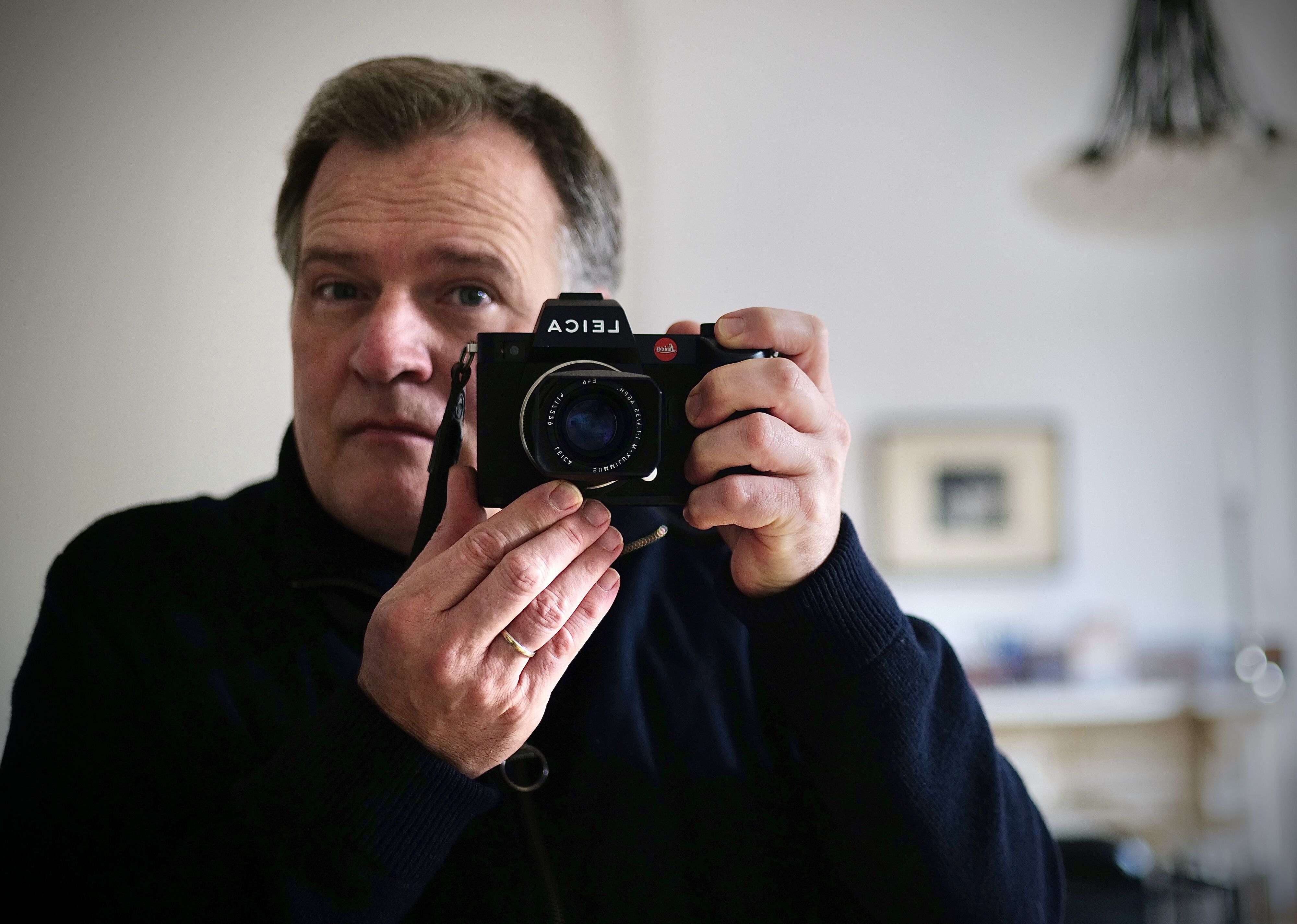
Polishing the Look of The Righteous Gemstones with Cinematographer Paul Daley
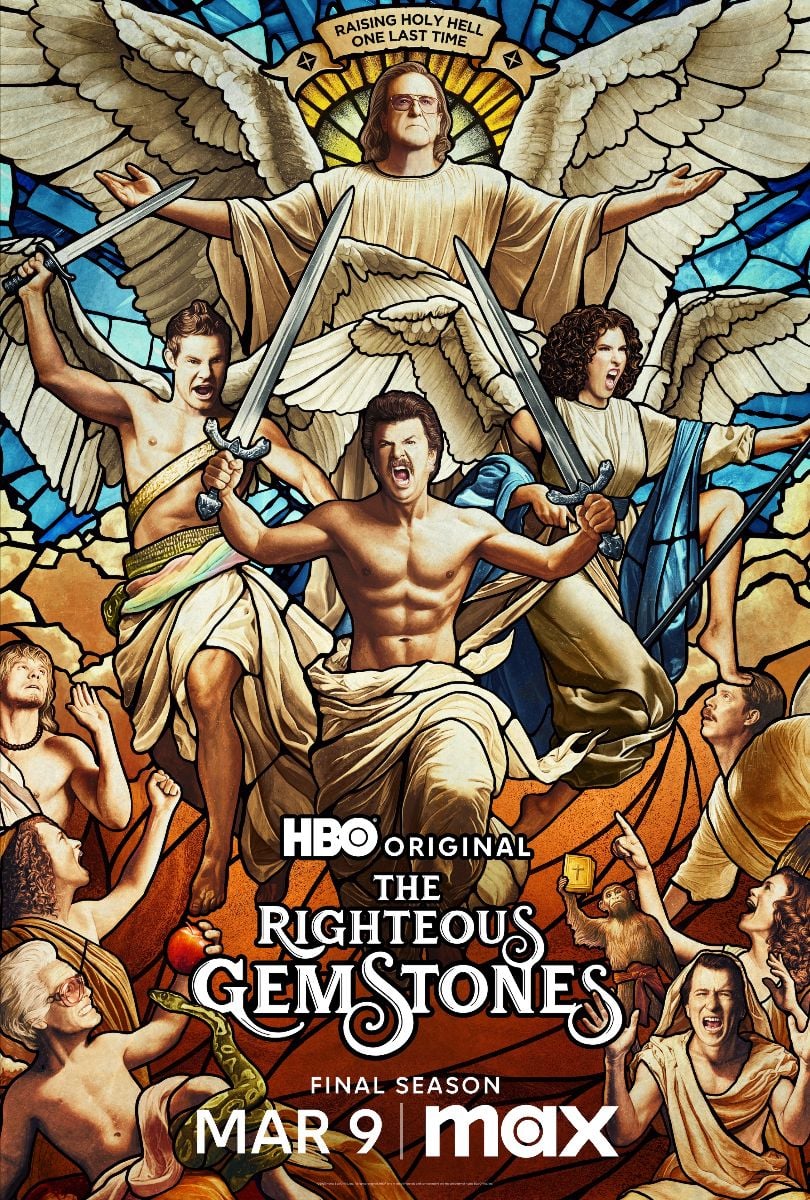
The Righteous Gemstones (2019-2025)
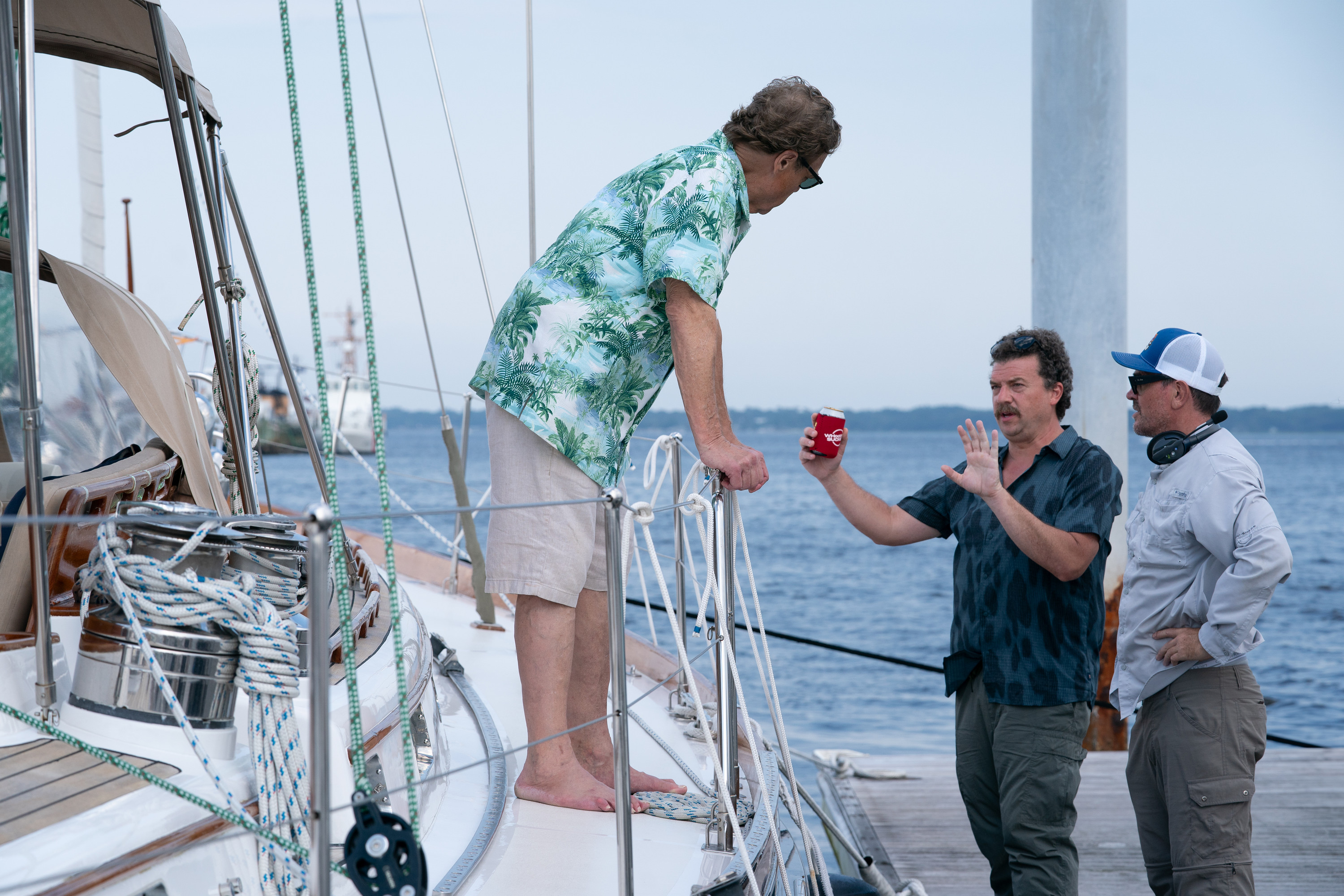
HBO’s The Righteous Gemstones follows a televangelist dynasty built on spectacle, ambition, and more than a little hypocrisy. Cinematographer Paul Daley brings a sharp, cinematic eye to the chaos, elevating the series with a visual approach that’s far more epic than its comedy label suggests.
Seth Emmons: Paul, you and I met at the ASC Awards this year. Tell us about the project that you were nominated for.
Paul Daley: I was nominated in the half-hour comedy category for an episode of The Righteous Gemstones, which was a throwback episode called Prelude, set during the Civil War and starring Bradley Cooper. It was a huge departure from the usual mayhem of the comedy that is The Righteous Gemstones. It offered an unbelievable opportunity. It’s like every cameraman’s dream to shoot a massive western, which is basically what it was, with phenomenal production design, incredible actors, everything you could possibly want. That’s why it got nominated. All I had to do was put them in the middle and keep it in focus. I swear to God, it was such a great episode to shoot.
Prelude was the first episode of the last season and a big departure as the only fully flashback episode. Why was that episode important to the series?
People who watch the show know the relationship between John Goodman’s character Eli and the Danny McBride’s character Jesse. You feel like Eli has done all he can to keep their family and their business on the straight and narrow, whereas Jesse is just, “Let’s wring this out for as much as we can.”
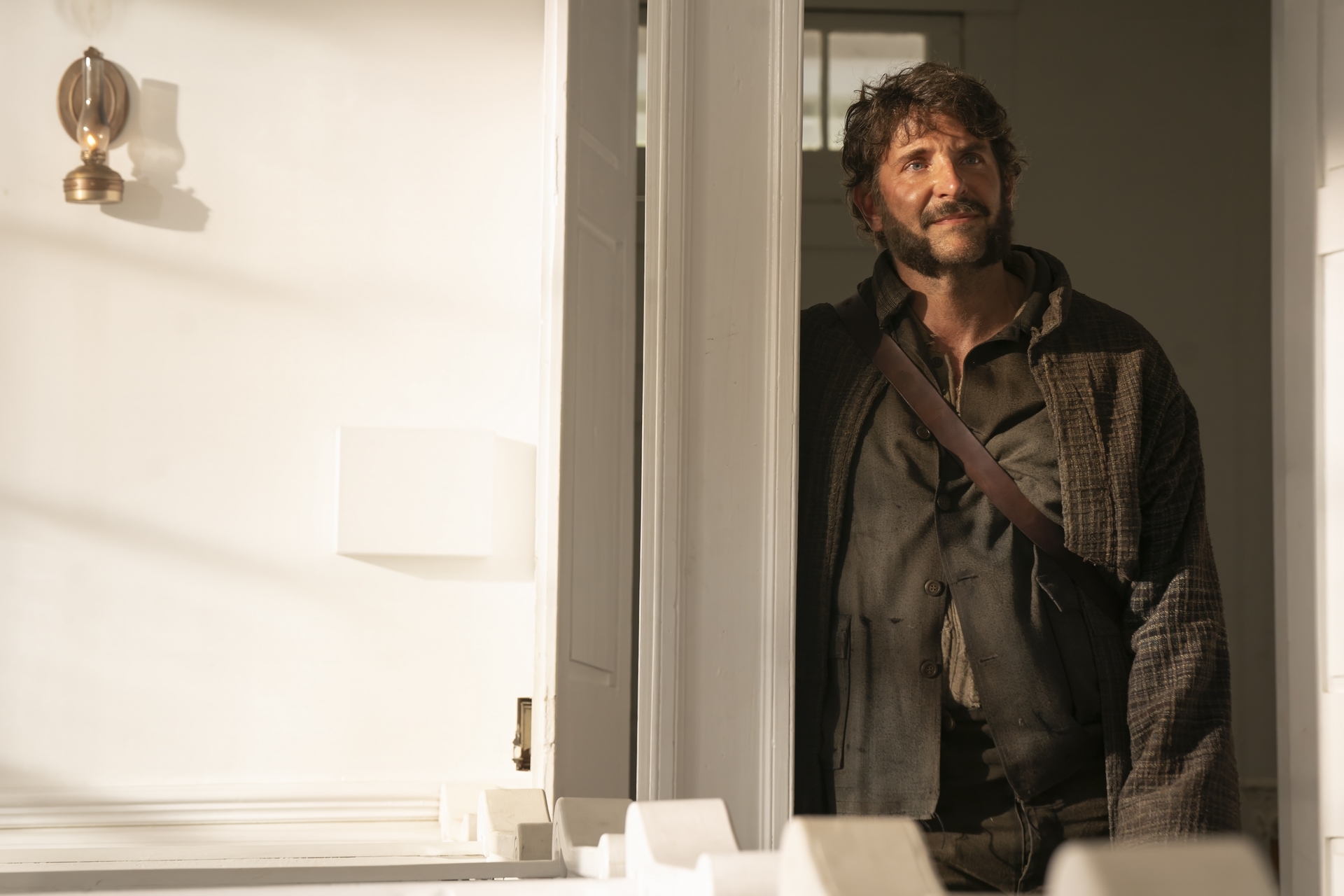
What was interesting about the prequel episode is that while the Gemstone family is consider godly now, they really started as bad people. Bradley Cooper’s character is about as bad as it can be. He’s a drunk, he’s a gambler, he’s a murderer, he’s a Confederate or a Union soldier, whatever suits him. He’s anything he wants to be, but he ultimately finds God at the very end. And he finds it for real because his guilt is so overwhelming.
The last few seconds of the episode is him just reading from the Bible and boom, it ends. It explains so succinctly where the Gemstone dynasty comes from. I thought it was actually a masterstroke by McBride because obviously he wrote it and directed it. He was involved in writing all the episodes.
Cinematically, did you approach that episode differently than the others?
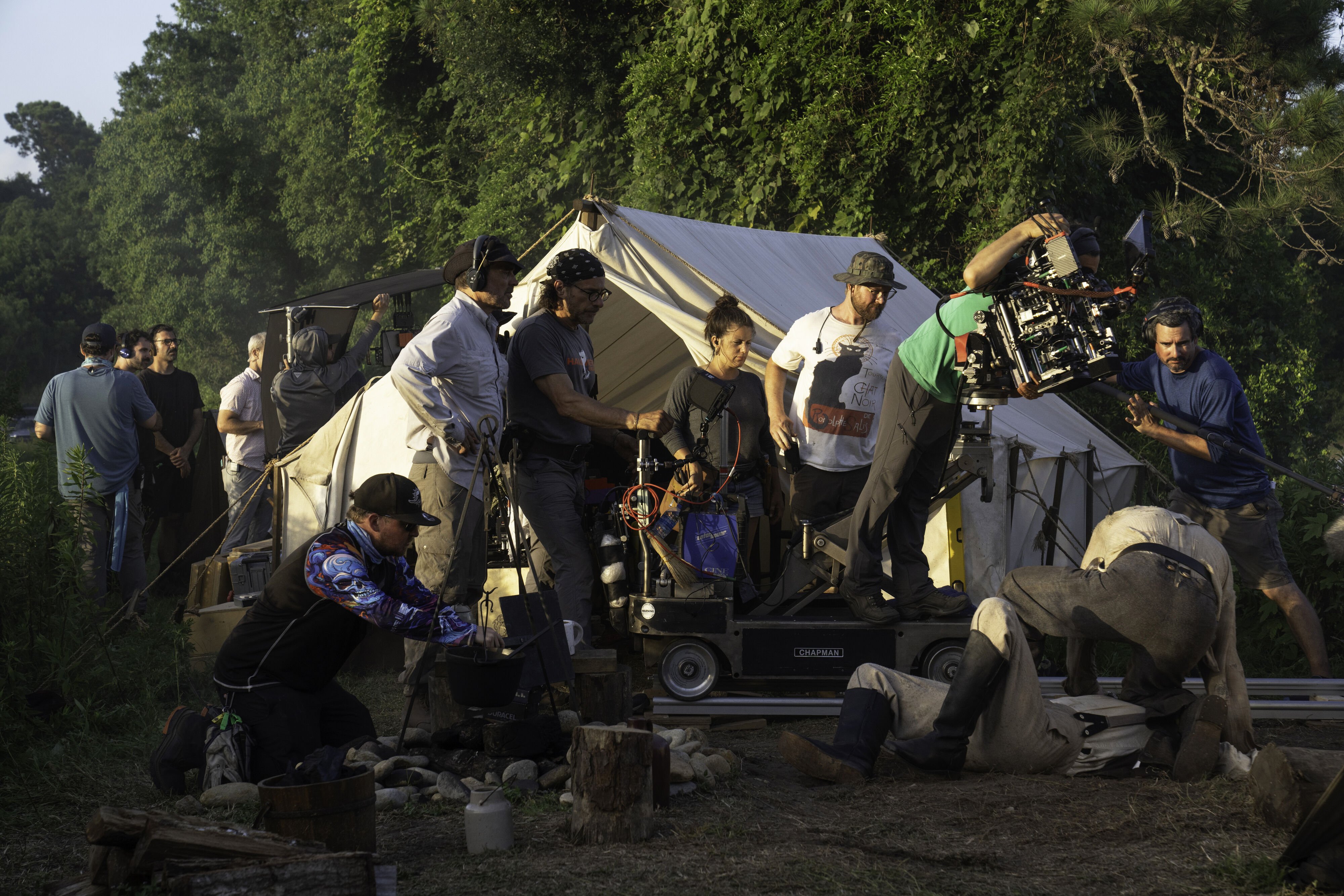
Yeah. It couldn’t look like regular television. This episode had to look, for want of a better word, epic. It had to look like a motion picture, like a very expensive cinematic piece of work, which it was. There’s nothing CG. The Civil War fort was built. There were sixty tents out there. Everything’s lit. The electricians had to dig channels for cable and hide boxes in tents. It’s all there, all real. We needed to see every inch of that production design. It was a very expensive piece, and HBO wanted to see everything that they paid for, and I think they did.
Was it significantly more expensive than regular episodes?
Difficult for me to say, but what I do know is the regular episodes were in range of 10 to 12 million dollars an episode. Very expensive. My sense is that this episode pulled from the other episodes to get that done because the scale of it was enormous and the timeframe kept getting compressed because we struggled to find locations.
For instance, the church, which is the opening scene, I don’t think we had that church 10 days before we shot. It was really difficult. First of all, we had to find a Civil War era church. Then we had to find something that’s not surrounded by wires and roads. And then we had to find a church that would allow us to shoot, which given our subject matter was somewhat controversial.
We ran into that a few times. People would say, “Oh, great, you want to rent our church!” And then they’d realize it was for The Righteous Gemstones and would say, “No.”
Did your camera and lens package differ for this episode?
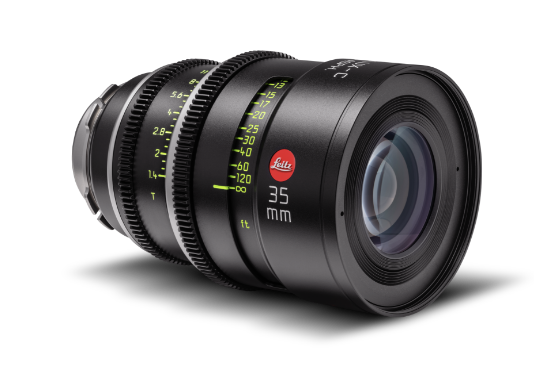
No. I kept everything the same. For camera we were using the ARRI Alexa 35. I carried two sets of lenses, the Leitz SUMMILUX-C and the Zeiss Supremes, and I interchanged them based on the situation. But the short answer is no. I kept everything constant. I didn’t even change the LUT. Everything came down to situational lighting. There was nothing tricky, no ASA changes, no shutter angle changes. We kept it exactly the same.
A lot of cinematographers might try to change format or lenses to achieve something more epic.
You’re absolutely right. The truth is you can only take pictures of what’s in front of you, eighty percent of which is production design. That’s absolutely crucial.
There’s very little point in having a magnificent wide shot where two thirds of it is green screen or it just doesn’t look good. Gemstones is the complete opposite. Richard Wright was the production designer. His sets were so good that I would rarely go shallow depth of field.
It’d be like Once Upon a Time in America where you could see everything. That’s how we did it. There was no need to shoot T1.4, 2, 2.8. We didn’t need to. We’d shoot T4, T4 1/2, see everything because it’s that good.
That’s where younger cinematographers are always going to struggle. It’s like, “Why does it look so good?” It’s not you. It’s because your production design isn’t there.
We can get into some tricks, but the truth is you can’t keep doing that. Is there anything more boring than watching a show with ultra shallow depth of field? It’s almost like surveillance photography. I want to see where I am.
That’s where the Leitz SUMMILUX-C lenses come in. When they go soft the bokeh doesn’t turn to mush. The advantage of the SUMMILUX-Cs is that what’s out of focus maintains a shape. You know what it is, even though it’s soft. Narrative-wise, that’s key. You don’t want to be transported out of the scene just because it’s a tight shot.
There’s a bit of a trend toward odd bokeh where everything just gets music video-ish, almost like when you use a diopter when you don’t need one. It’s like, “What’s going on here?”
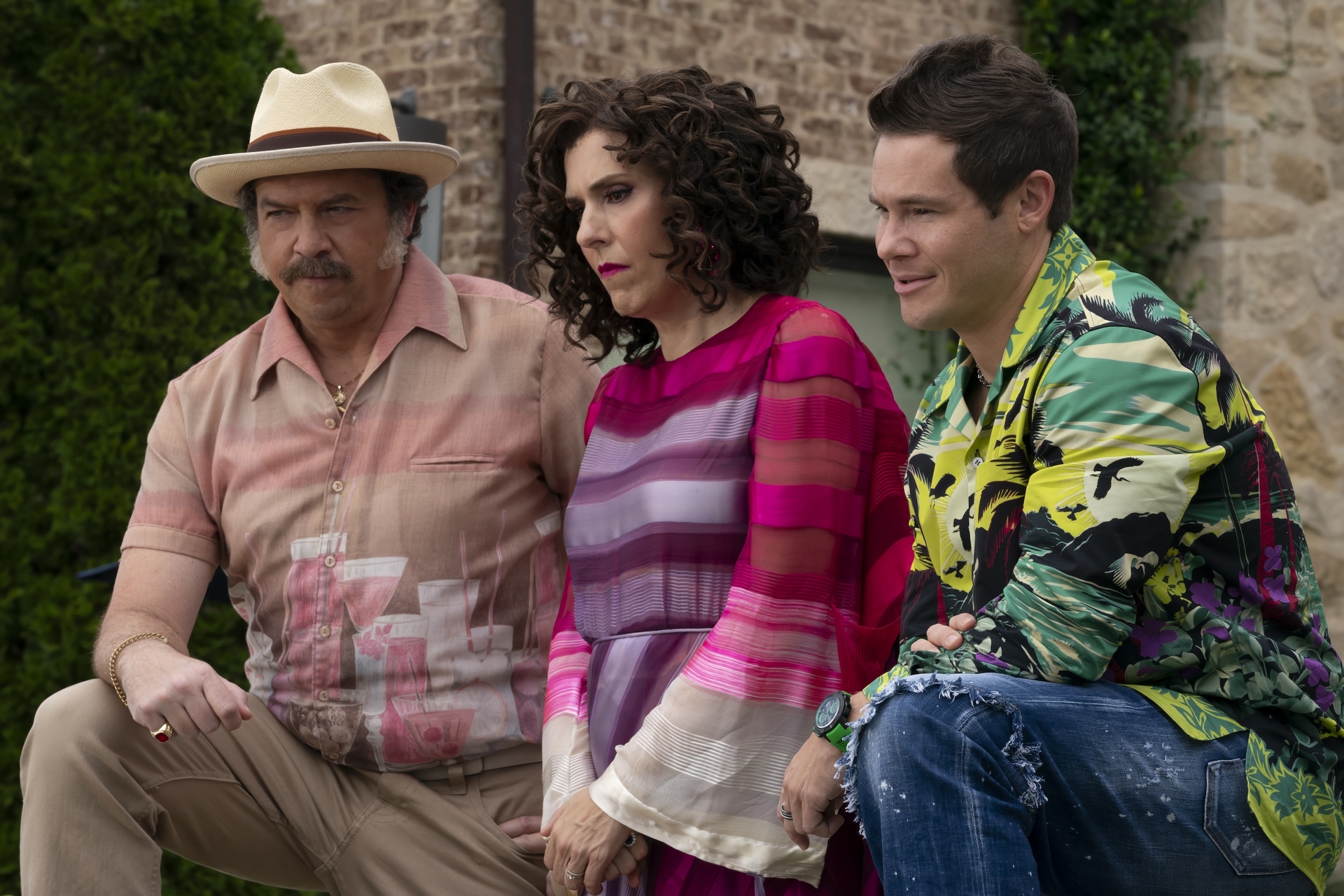
When did you start on Gemstones and how did your role evolve?
I started season one as the A operator and ended up shooting on two episodes. The second season I shot half the episodes and was the A camera operator on the other half. I took over as the full-time DP for seasons three and four.
David Gordon Green would direct one episode each season and always worked with his cinematographer, Michael Simmonds. Michael brought me on the show in the first place and he’s brilliant.
How did you choose the lens and camera package?
The show started on ARRI Alexa LF and the ARRI Signature Primes, which are beautiful. But I wanted the look of the Leitz SUMMILUXES. I just love them. They covered the LF sensor on the long end, but they didn’t on the wide end, so I tested the Alexa 35 against the LF. Both beautiful cameras. We’re getting into minutia, but the highlights felt a little fresher, a little stronger with the 35. Purely personal opinion.
Given we were filming in South Carolina and dealing with unfathomable sun, I needed a camera that could hold that. I needed lenses that could hold detail. I just know the Leitzes and I know the Supremes. I know what they can do, and that’s the way I wanted to go.
What about the Leitz SUMMILUX-Cs made them right for you?
There’s no surprises with them. I know exactly what I’m going to get. I know how they behave, how they handle color. They lean on the warm side. The Supremes lean on the cool side.
I know I want to use Leitz in the daytime and the Supremes at nighttime. I know how they handle extreme low light.
One characteristic that was very important was how the SUMMILUX-C lenses handle candlelight and fire. You don’t get double reflections or any abstract artifacts. Abstract is great when you want it, but it’s a huge problem when you’re explaining to HBO why you’ve got a ghost all over Bradley Cooper’s face. I can’t have that, so I have to know what the lenses are going to do.
Why use two sets instead of controlling everything through lighting or grading?
Mostly because one set is warm and one set is cool. You’ve got a DIT there and it’s a twist of a knob to change something like color temperature, but I know both sets inside out, and I implicitly know when to use which. It got to the point where the operators would know which ones to call for. Daytime, we’re using these. Nighttime, we’re using these. Candlelight, we’re using these. Sunlight, we’re using these.
Both sets are phenomenal. If you can’t make a beautiful image with Leitz or Zeiss, then there’s something wrong with you.
What did your path into cinematography look like?
I started as a production assistant, got into the electric department, became a gaffer, and fast-tracked working with outstanding DPs like Ellen Kuras and Bob Yeoman.
I then decided I just wanted to shoot. I thought it would be, “Okay everybody, I’m ready. Let’s go!” And it wasn’t like that at all. I couldn’t get arrested.
It took 15 years to move away from being a gaffer to being a DP. Actually, I used to be gaffer for Eric Edwards, who's an outstanding DP. I said to him one day, "Eric, can you let me operate?" He said, "Operators I've got. It's a gaffer I need." It was like that. Nobody wanted you to make the move. It was really difficult.
So I started shooting commercials. Then I started to operate, which is a skill in itself. You’ve got to run the set, adjust the blocking, make sure your coverage is there, make sure the lines are clean.
Michael Simmonds hired me as A camera operator for Gemstones. That led into working with the Rough House group. When Mike left the show, I was the obvious choice. That’s how it happened.
When you get asked to be the DP, there’s an expectation that you know what you’re doing. You will get the opportunity. Everybody will. But make sure you’re ready for it. You’re surrounded by 120 people on that set. A lot of people know what they’re doing. You’re leading the charge. You really need to know what’s going on. Be prepared for the opportunity when you get it.
What are some lessons that stuck with you from the DPs you worked with?
So much of it is how you behave under pressure. Ellen Kuras, Bob Yeoman—calm. The whole thing’s falling apart around you. Calm. It’s all right. We’re not saving lives.
I think so much of it is demeanor, control, how to behave. If you’re panicking, everyone’s panicking.
With the really good ones, the ego is buried. Walking in like you’re Johnny Big Potatoes, that’s not a good look.
How did you get to know your lenses so well?
Mostly because of low-budget work when you’re so limited. You have to know what the thing’s going to do. You have to know how it flares, how it behaves with backlight, smoke, rain. It’s like a car. You just get to know it. You know what it’s capable of. Leitz lenses won’t let you down. They’re phenomenal.
What zooms do you pair with them?
I like my Angénieuxes, especially the 19–90mm. I love that thing. It weighs a ton, the Steadicam operators don’t like it, but I think it looks great. They match beautifully.
How has lighting technology changed your work?
It can be frustrating because the pull toward LED is natural, but I still use a lot of hard light. Big Fresnels, tungsten, HMI, PAR cans.
The LED revolution is incredible, but it’s not the answer to everything. You walk on a set and everything’s soft light. It’s just a blurry mess. There’s no shape, nothing hot, nothing bright, nothing black. It’s all even.
What is your approach to investing in equipment?
These days, I only buy what I need. I started buying lenses because nobody would rent them to me. I couldn’t afford it. The UPM would say, “You can have four primes.” My thought was to take out a loan, buy the full set, shoot the show, and build my reel.
My first investment was Cooke S4s. Bought a set of 10. Then I progressed to cameras and owned an ARRI Alexa Classic and an Alexa Mini. Now I stay with lenses because technology moves too quickly with cameras. That’s not a game I want to play.
I like the Angénieux EZ zooms as well. They’re small, versatile, and relatively inexpensive. People get snooty about them, but it’s very hard to tell the difference unless you really stress them.
Do you use filtration?
I do. It’s horses for courses. For the ladies, I’ll go with a Tiffen Soft FX. I try to shoot clean as much as possible. With the Civil War episode, I shot largely clean because I thought I’d do a bleach bypass look in post. I didn’t want to degrade the image on the front end. Any filtration you use, you’re degrading the image. Unless you have a strong plan, I’d be careful with that.
Overview
DoP Paul Daley
The Righteous Gemstones
2019-2025 | series
DoP Paul Daley | Michael Simmonds| Brandon Trost
Director Jody Hill | David Gordon Green | Danny McBride| Jonathan Watson
Leitz lens SUMMILUX-C
Production Companies Home Box Office (HBO) | Rough House Pictures
Distribution 24TV | Amediateka | HBO Max | IVI | KINO1TV | KION | NTV-PLUS Online TV | OKKO | Sky Comedy Tricolor | WINK
Awards Won 1 Primetime Emmy. 3 wins & 34 nominations total
Country USA
Lens used
SUMMILUX-C
Performance
Fast, compact, reliable, beautiful in color and excellent in contrast.