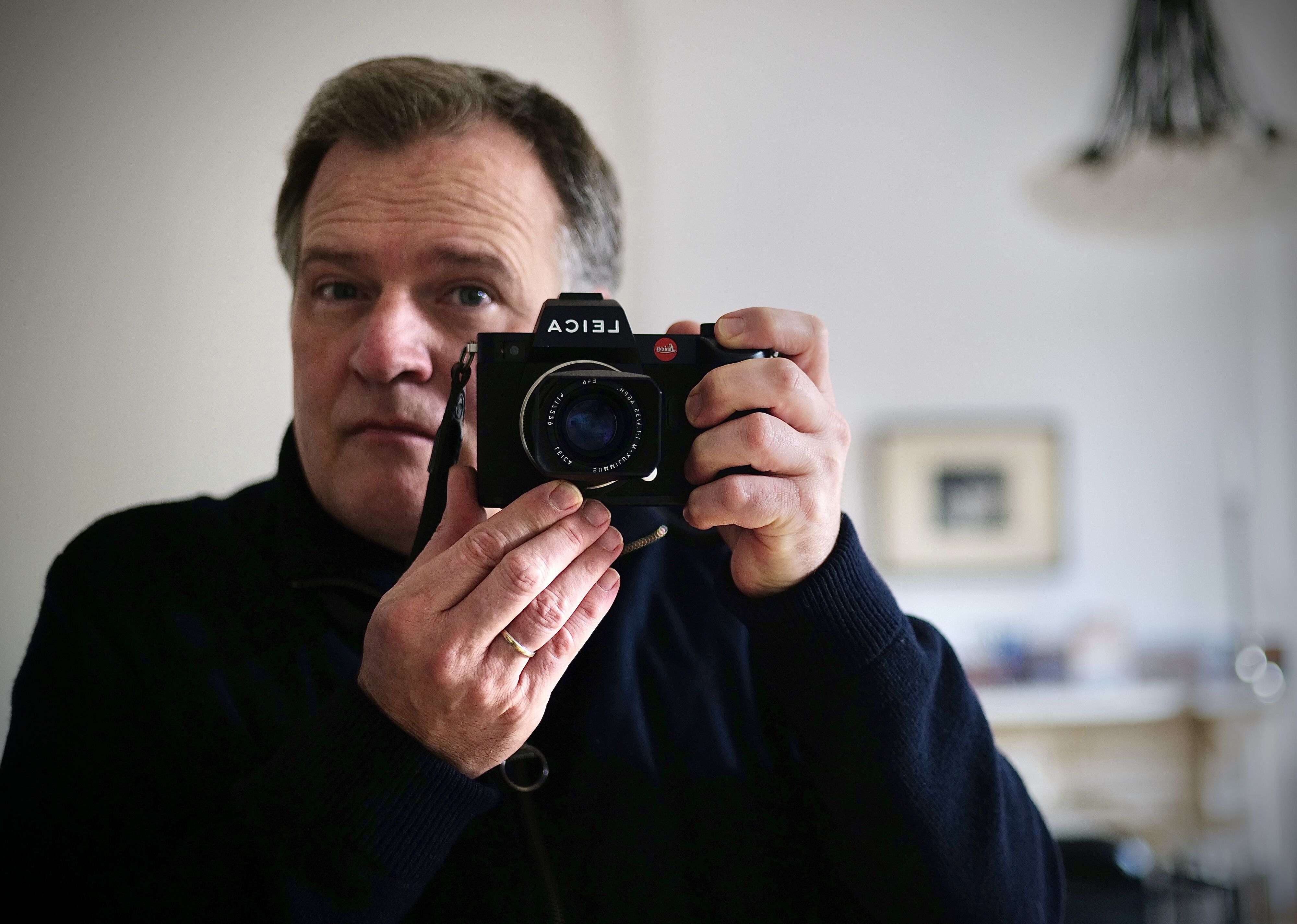
Stefan Biebl, BVK on "Neue Geschichten von Pumuckl"
Neue Geschichten vom Pumuckl (2023)
Tony El Tom: To start at the very beginning, you are a member of the German Society of Cinematographers BVK, a member of the German Film Academy and are represented by the agency Above the Line. What was your path to becoming a cinematographer, how did you get into film?
Stefan Biebl, BVK: I came to it through photography. I trained as a photographer in a small photo studio and through this studio I got into advertising and the small film production company Insel Film in Munich. I started there in the camera department as a video operator and then went the classic route from clapper loader to camera assistant. I then came to Steadicam through Mike Bartlett. He was my mentor. I worked with him for many years as his 1st AC. I learned how to use the Steadicam from him and started working as a Steadicam and camera operator myself.
That was exciting because I worked with many different cinematographers. I found that very interesting. In the beginning, besides working as Staedicam Operator, I shot a lot of commercials and music videos as a DP and that was an exciting time for me because you could try out a lot of things there. You could really let your imagination run wild and try out everything that was available in our sector. Film school was also an exciting topic for me. Back then, there were no courses for cinematography, so the directing students were always desperately looking for cameramen and it was a lot of fun shooting their student films with them.
Did you miss the opportunity to study cinematography?
Through the projects, I was well integrated into the film school HFF here in Munich, and even without studying there, I was still able to attend many events at the university. That was absolutely perfect for me.
What's your approach when you're preparing a project? How do you develop an idea of which camera and which lenses might be right for the project?
You go through the script and look at what the story is, what do you want to tell? Where is the focus of the story, which genre should be used? Then I consider which techniques will best convey that. What are the requirements for directing the actors with the camera? In what form should this happen? I then gather my ideas and make suggestions to the director. Is it more of a calm, poetic film where you have distances and capture everything more in a tableau, or is it more of a dynamic, action-packed story? Is the atmosphere more light or dark? In terms of lenses, do I want a technically clean look, for example, in the science fiction genre, where you're trying to convey high-tech; or am I in an emotional world where I have an idea for a rather imperfect lens that I would like for the project? You have to deal with that and look for examples, and then I start testing to figure out which lenses I should use for the film, how to set the lighting, and whether to use filters and which ones.
A film isn't linear, so you have to ask yourself what all the things are in the film? There are often leaps into fantasy worlds, into ideas, or you develop from the surface to the underground, and that's how you choose your tools.
What characteristics are particularly important to you in lenses? What do you look for when you test lenses?
It varies from project to project. In the last project, “Neue Geschichten vom Pumuckl”, the main set an inner courtyard with a small carpentry workshop was built inside a sound stage. Of course, a sound stage always has the great danger that you can see that it's a studio. That's something I absolutely wanted to avoid - that you have the feeling that you're standing in a sound stage. I wanted to create the feeling of a believable world, without any artificiality. That's why I chose the ARRI Alexa Mini LF and the LF format for this project, because you can work a lot with depth of field and blur the background, which helps you to make it look less studio-like in the long and medium-long shots.
I wanted to shoot with Leitz HUGO lenses in the first season, but that wasn't possible at the time because we had to record the lens metadata for post. The metadata was very important for the animations back then in order to know exactly what focal length, focus, and aperture were being used. This severely limited the lenses I could use.
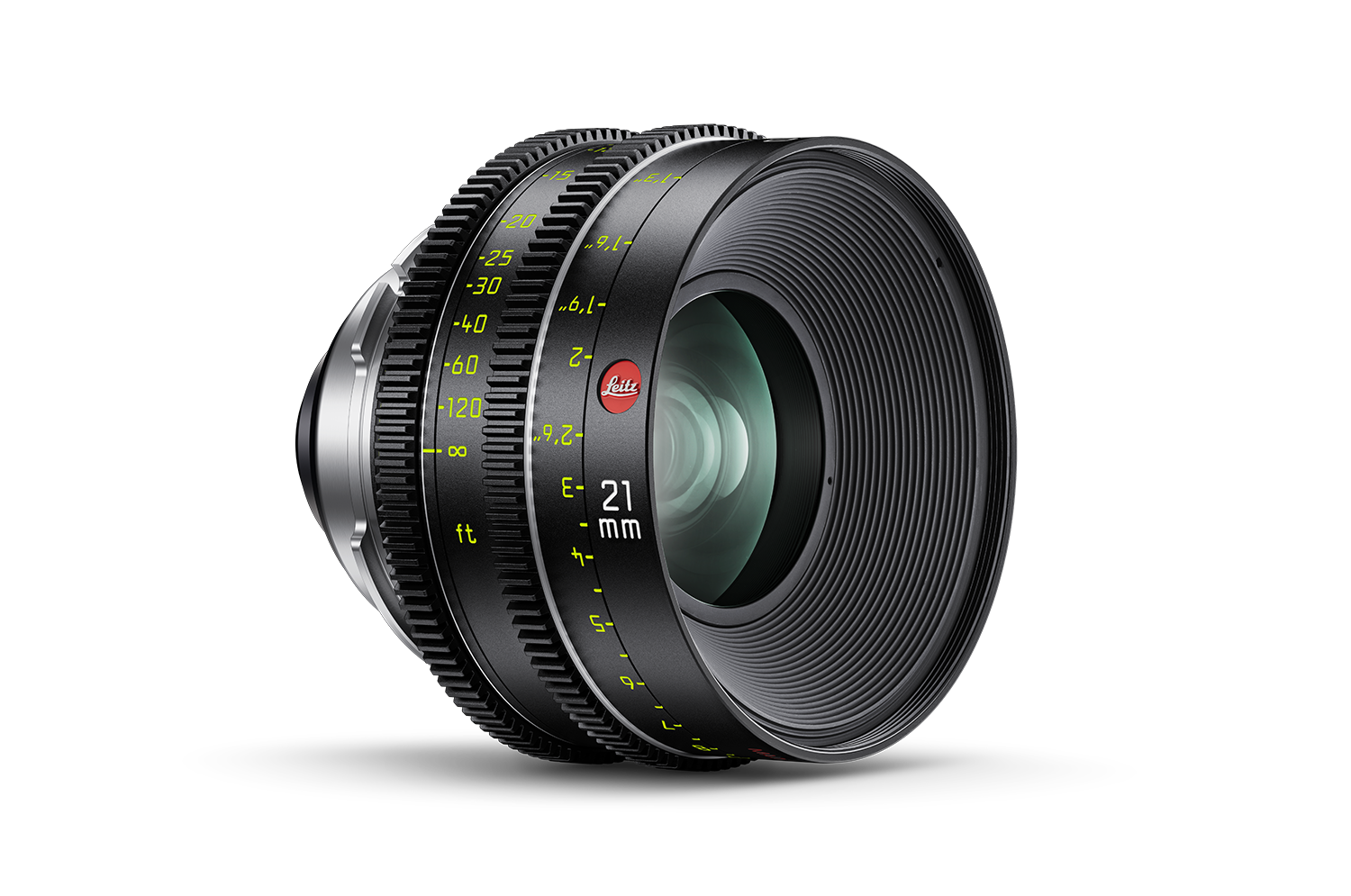
Now we have the advantage of technological advancements. We created an LDA (Lens Data Archive) of the HUGO lenses with the ARRI Hi5 Lens Control Unit and were able to record all the metadata even without LDS data from the lens. Finally, we were able to shoot with the HUGOs, which I had already tested before and found absolutely fantastic. They have a wonderful balance between not looking too technical but still being a modern lens that is reliable and works the way I want it to.
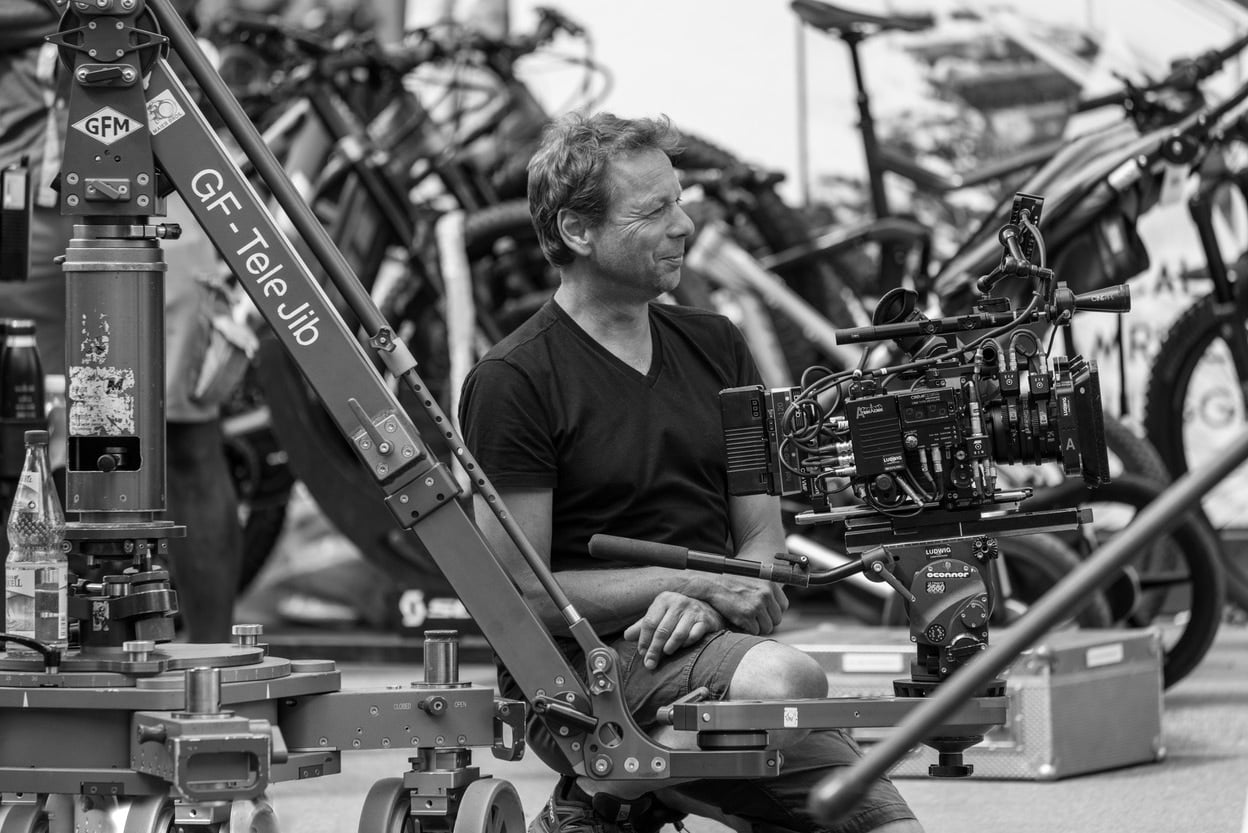
Can you tell us more about the project? What is the story about and how did this project come about?
It's a remake of a children's series from the 80s. It's about a goblin (2D animation) who hops around the world in a somewhat childishly naive way. He lives with a master carpenter named "Meister Eder" (real world) and questions everything. Why do you do it like that? Why do people do it like that and why don't they do it differently? It's a really nice approach to questioning our existence in a child-like way. The series was pretty cult in the 80s and everyone in Germany knows Pumuckl. When the director Marcus H. Rosenmüller came to me and told me he had an offer, he wasn't sure whether we should do it. It's a big risk to approach a cult figure that everyone knows and we had a lot of respect for the task. On the other hand, the appeal of doing it was also huge, so we accepted the offer.
What were the particular challenges with the project? And what was particularly important to you in reviving this series?
We wanted to retain the character of the original series. The balancing act was to modernize the format and bring it into the present day. We watched a lot of the original series and some of the content would no longer work today because society has moved on. But as Pumuckl is still supposed to be a cheeky goblin, we had to bring it into the present day without betraying the character. A key aspect was to achieve a sense of timelessness. This also applies to the visuals. We wanted to retain the character of this goblin and tried to bring him back to life. With today’s technology we can do that better than we could in the 80s. It was important that the images in which Pumuckl moves were lively, which means we had high demands on the lighting design and moved the objects in the immediate vicinity with strings and sticks to make everything come alive. It's all very subtle, but it makes it incredibly lively and that's why this animated character seems so alive.
You decided to combine the 2D animation of Pumuckl with a lot of analog in-camera effects. How did this decision come about?
We wanted to preserve the character of the original series, so we decided to work largely in the same way as they used to. The analog style is very likeable and appealing. It’s nice to keep it that way, even if it is a lot of work and many things could be done much more easily in post. Although now they have a lot of work to do in post to get all the strings out again.
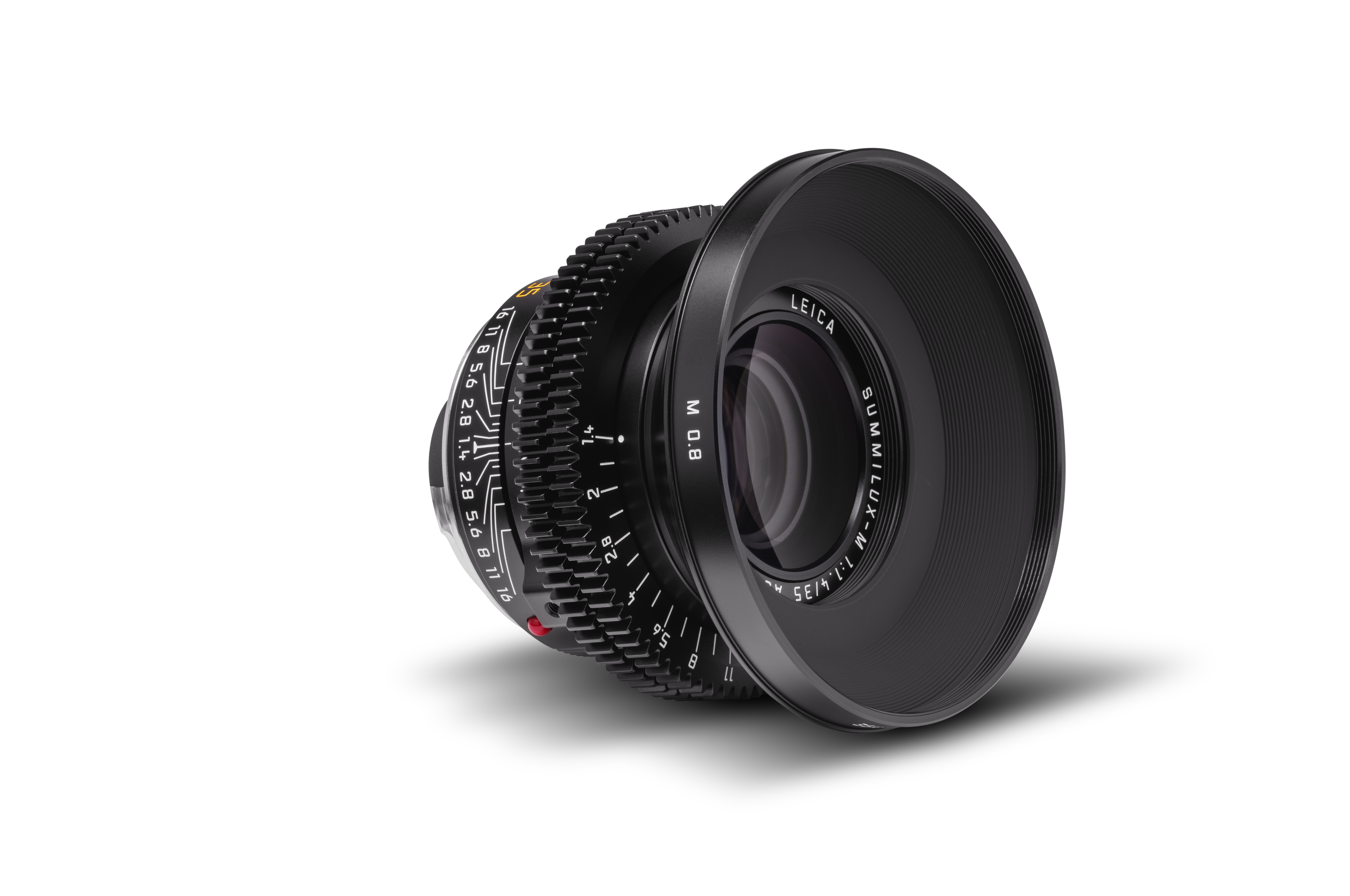
You used a combination of HUGO and M0.8 lenses for this project. Why have you picked those lenses and which cameras did you use?
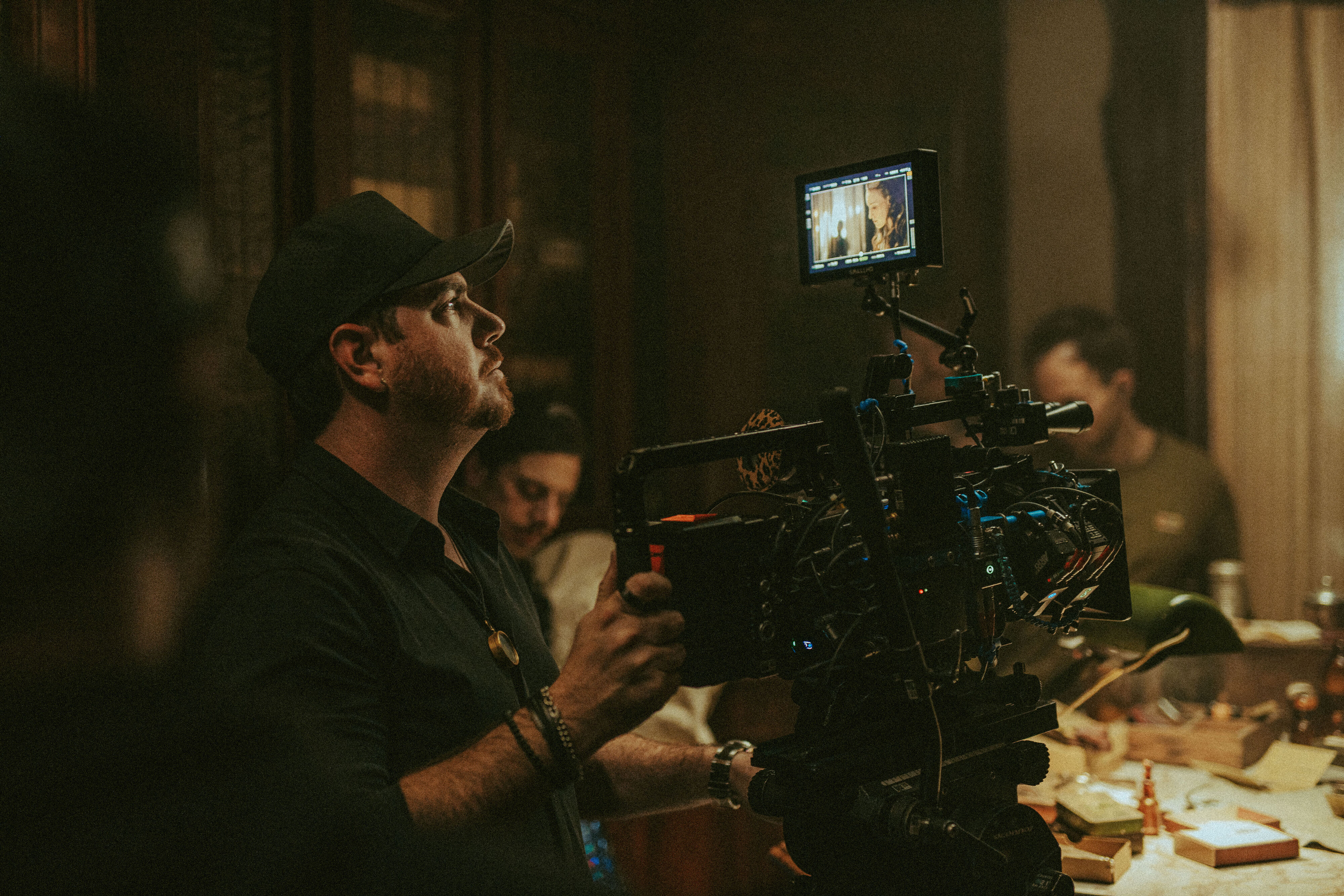
It was incredibly important to me to shoot this project with the HUGO lenses on the ARRI Alexa Mini LF as the A camera because it creates this combination of pleasing colors, pleasant sharpness and contrast ratios that are gentle but still spot-on. The optics are sharp and very vivid. It helped to support the heartwarming and friendly mood of the project.
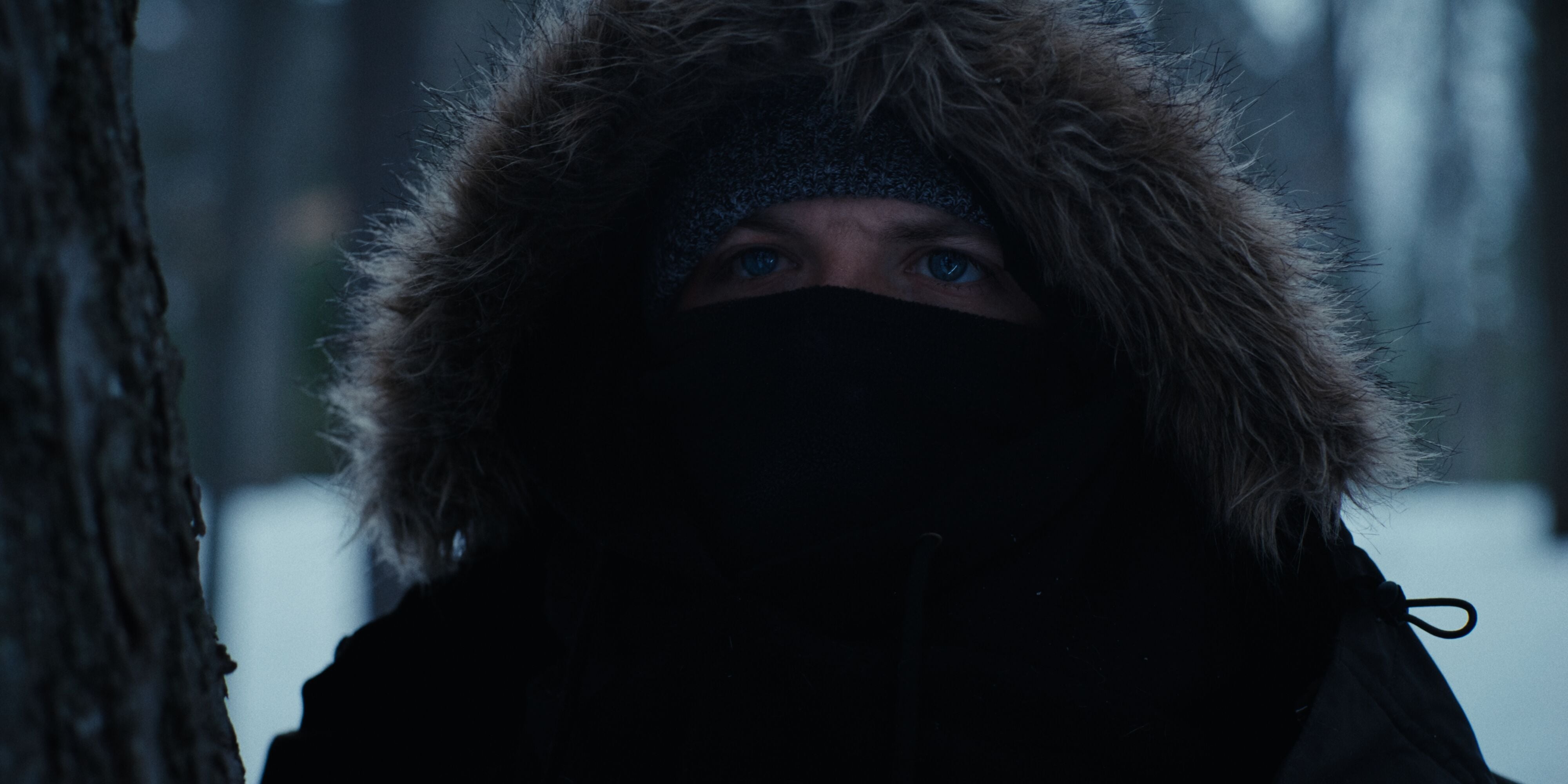
However, there's an episode where Meister Eder and Pumukel go camping and there's a storm. It's night and it gets dark and scary. Wild things happen. They were great there too, so it's not like they can only be friendly and nice storytellers. The lenses can just do anything you want to do with them.
The Leitz M 0.8 lenses were added because I really enjoy working with the DJI Ronin 4D camera for moving scenes. Even in tight spaces like a construction trailer, I could separate the gimbal-camera unit from the main body, sit in a corner with the small lens and still move around easily, similar to Sony's Rialto system. And the HUGO lenses are, of course, a great combination with the M 0.8 lenses because they're the same glass. So, that's pretty awesome.
You shot the first season of the series on other lenses, what was the feedback from the director and producer on changing the lens choice?
The director Marcus H. Rosenmüller was immediately enthusiastic about the lenses. But of course, I still had to convince the producer and the broadcaster’s editorial team. There were concerns at first. Why should we take a risk when the old lenses were good enough. There was a fear that the new ones wouldn't work as well as the old ones. It took a lot of convincing. We did test shoots and projected them in HDR in the cinema. We looked at all the variants and, in the end, there was enough confidence to say, “Okay, we like what we see. If you really want to do it, then go for it.” The feedback I've received so far has been consistently positive and it is seen as a positive development from the first season.
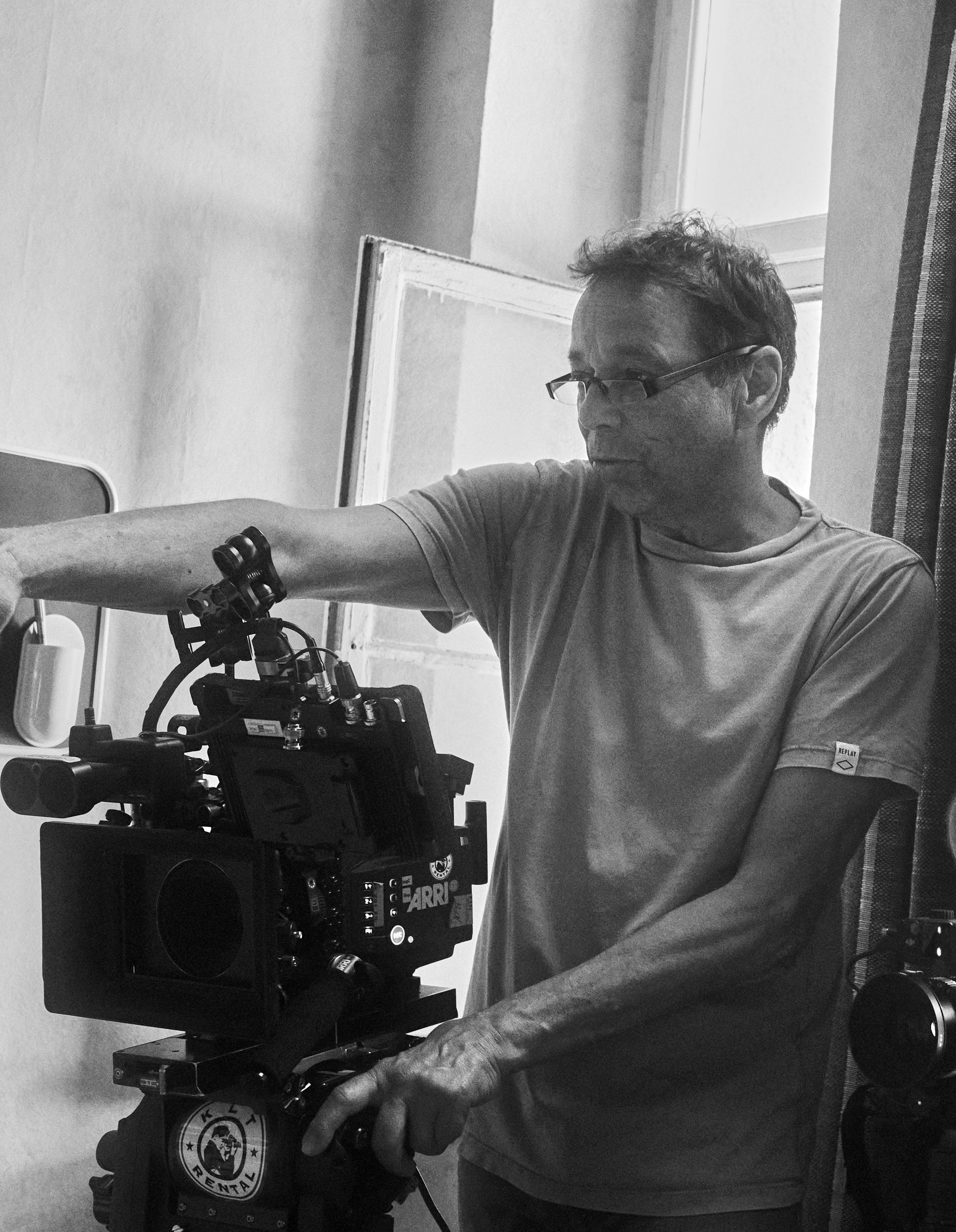
You mentioned earlier that the HUGO's helped you make the set construction look less artificial. Can you describe that in more detail?
Of course, it was mainly the great work of our production designer Doerthe Komnick that made it possible to create a believable environment in the studio. But it's a huge help when the lenses support that effort. The character of the HUGOs is simply so pleasant that it's easy to separate the actors from the background without it seeming artificial. It's difficult to describe; you have to see it for yourself.
Did you work with filters on this project?
Very little. In a few rare cases, I used filters on the female actors, but the majority was shot without filters. That's the nice thing about the HUGOs, that they don't come across as harsh by nature. You can see every pore and detail in the face without it being unpleasantly sharp. That's the great thing; you don't smudge anything, and you can see every detail of a face without any harsh contrasts or blemished pores.
What was it like working with director Marcus H. Rosenmüller in terms of the visuals?
We've known each other forever. “Rosi” is more of a visual director and always wants to know everything in detail. But he's also very open and enthusiastic about ideas, taking them on board and then carrying them forward.
Did you operate yourself on the project, how was it working with your B-Cam operator?
I really enjoy the contact with the camera and the actors, which is why I don't like giving up the operating part. I would hate to give up the contact with shaping the images in motion. I let the operator do some things, and of course you need an operator when you're shooting with two cameras, but I don't really like standing at the monitor. On this film I worked with Holger Fleig, an operator I've known for a long time who thinks and works independently. He's great. He's also done a lot of second unit work and shot most of the plates for this project. However, a lot of scenes are shot with just one camera.
Stefan, thank you very much for letting me visit you at the grading and for your time for the interview.
Interview by Tony El Tom, BVK. Edited by Seth Emmons
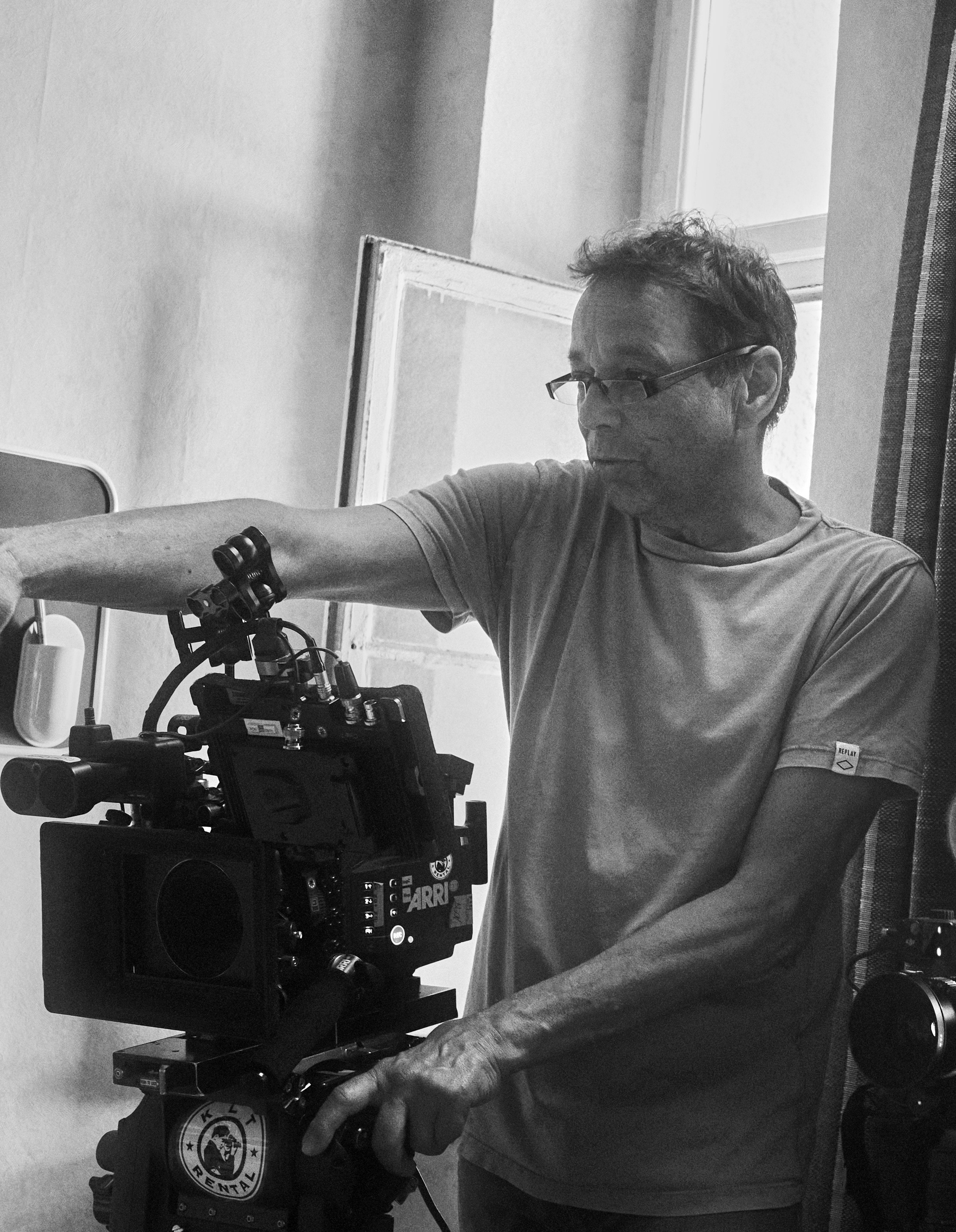
Overview
DoP Stefan Biebl
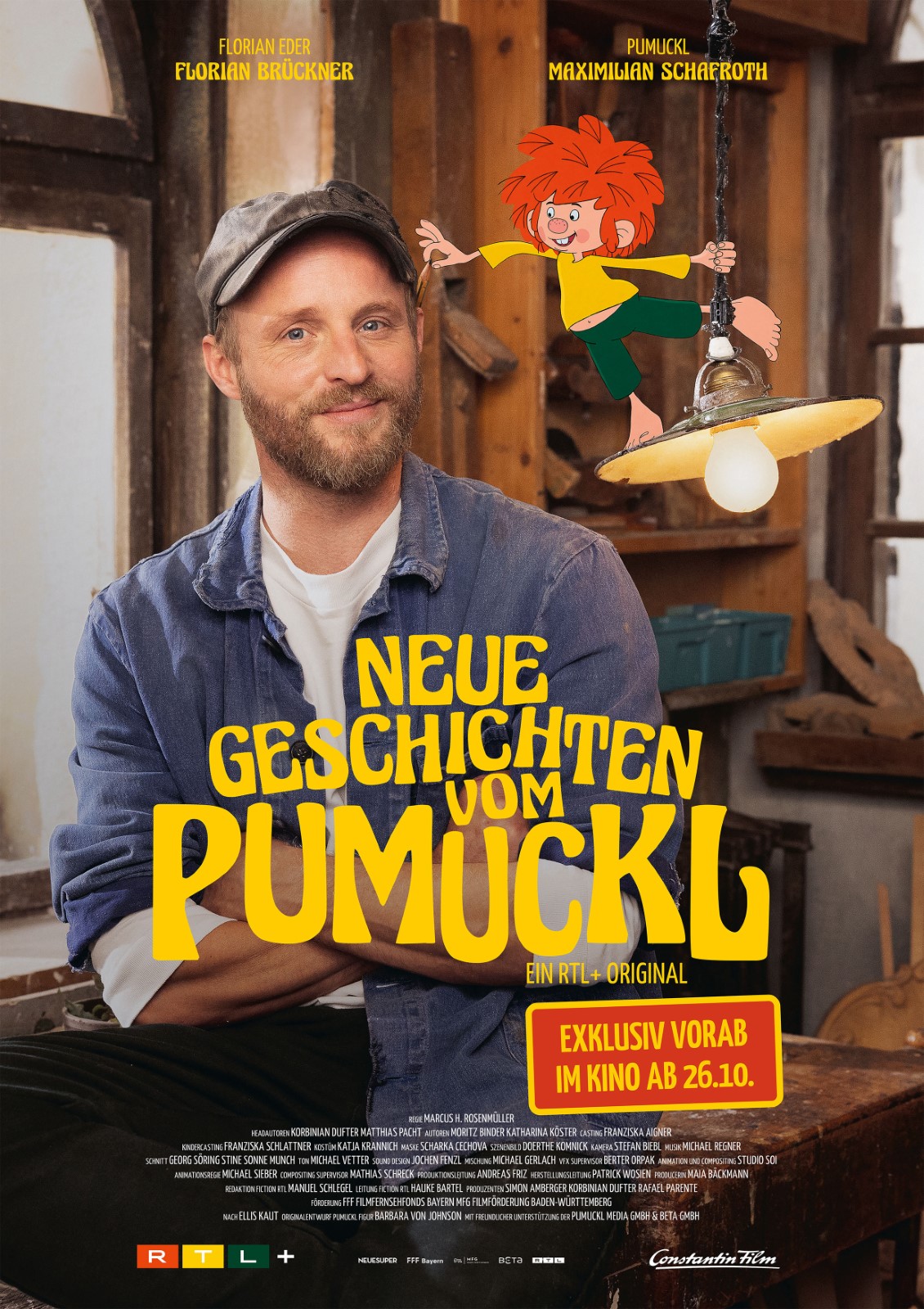
Neue Geschichten vom Pumuckl
2023 | series
DoP Stefan Biebl, BVK
Director Marcus H. Rosenmüller
Leitz lens M 0.8, HUGO
Camera ARRI Alexa Mini LF, DJI Ronin 4D
Production Companies NEUESUPER
Distribution Constantin Film | RTL | RTL+ | TOGGO Plus | TOGGO
Awards 2 wins & 2 nominations total
Country Germany
Lens used
HUGO
Legacy
M 0.8
Legacy
Unique and small. A new way to look at light, skin and color.